
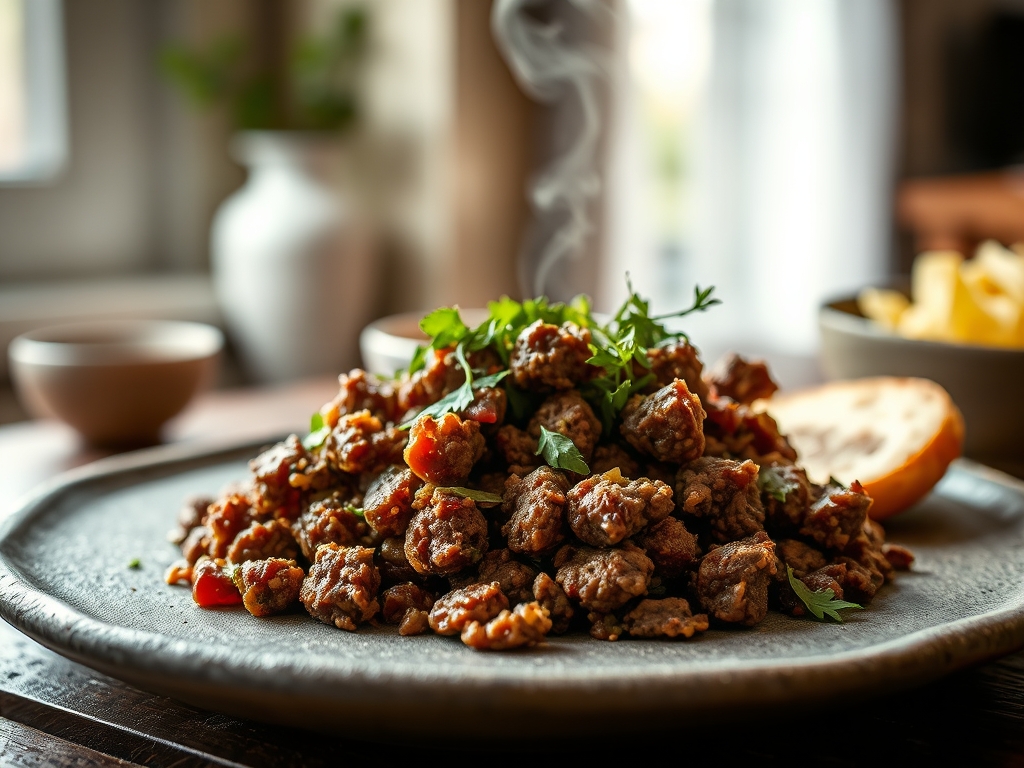
Close your eyes and imagine the scent of toasted pine nuts dancing in a cloud of warm allspice. That is the soul of Beirut in a skillet. When you master lebanese ground beef recipes, you are not just cooking dinner; you are conducting a symphony of fat, fire, and fragrance. It is about the perfect sear and the way a heavy bottomed skillet transforms humble protein into gold.
The secret to this cuisine lies in the balance of textures. You want the beef to be crumbly yet succulent, infused with the sharp brightness of fresh parsley and the deep, earthy hum of seven-spice. Most people overwork the meat until it becomes a dense, rubbery mass. We are going to treat it with the respect of a master butcher. By understanding the chemistry of fat rendering and the precise timing of spice infusion, you will turn a standard pound of chuck into a masterpiece that tastes like a generational heirloom. Grab your apron and your sharpest chef knife; we are about to dive into the molecular magic of the Levant.
The Gathers:
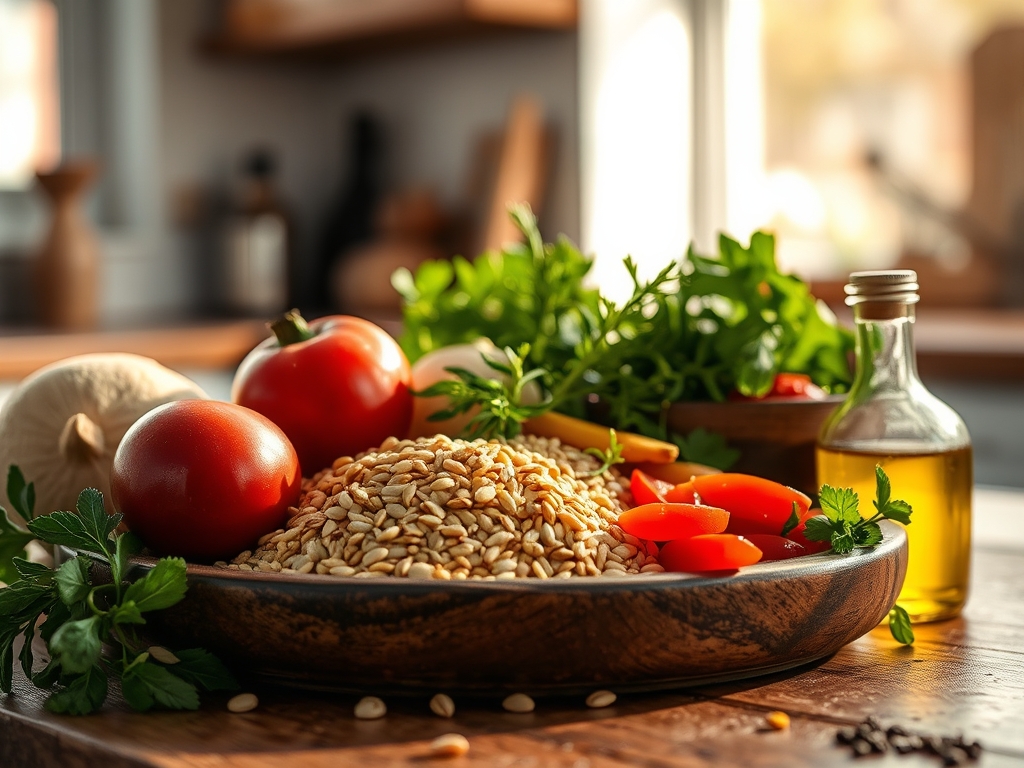
To achieve professional results, your mise-en-place must be impeccable. We start with the beef. You need an 80/20 lean-to-fat ratio. Anything leaner will result in a dry, sandy texture because the myoglobin lacks the lipid protection to stay juicy under high heat. Use a digital scale to ensure your ratios are exact.
Next, the aromatics. You will need yellow onions, finely diced with a bench scraper to ensure uniform size, which guarantees even caramelization. Fresh garlic should be turned into a paste using a microplane to maximize the surface area for flavor release. For the spice profile, we use Lebanese Seven-Spice (Sabaa Baharat). This is a complex blend of allspice, black pepper, cinnamon, cloves, fenugreek, nutmeg, and ginger. If you cannot find it, a Smart Substitution is a mix of pumpkin pie spice and extra black pepper, though the authentic blend is worth the hunt. Finally, toasted pine nuts provide the essential crunch. Use a saucier to toast them in butter until they reach a deep amber hue.
The Clock
Preparation takes approximately 15 minutes of active chopping and measuring. The cooking process is a swift 20 minute affair, but the "Chef's Flow" is what matters here. You must have all ingredients staged before the first puff of smoke hits the pan. Lebanese cooking relies on high heat and rapid transitions. If you stop to chop an onion while the meat is browning, you risk overshooting the Maillard reaction and ending up with bitter, charred bits instead of savory crust. Total time from fridge to table is 35 minutes, making this the ultimate weeknight power move.
The Masterclass
1. Tempering the Protein
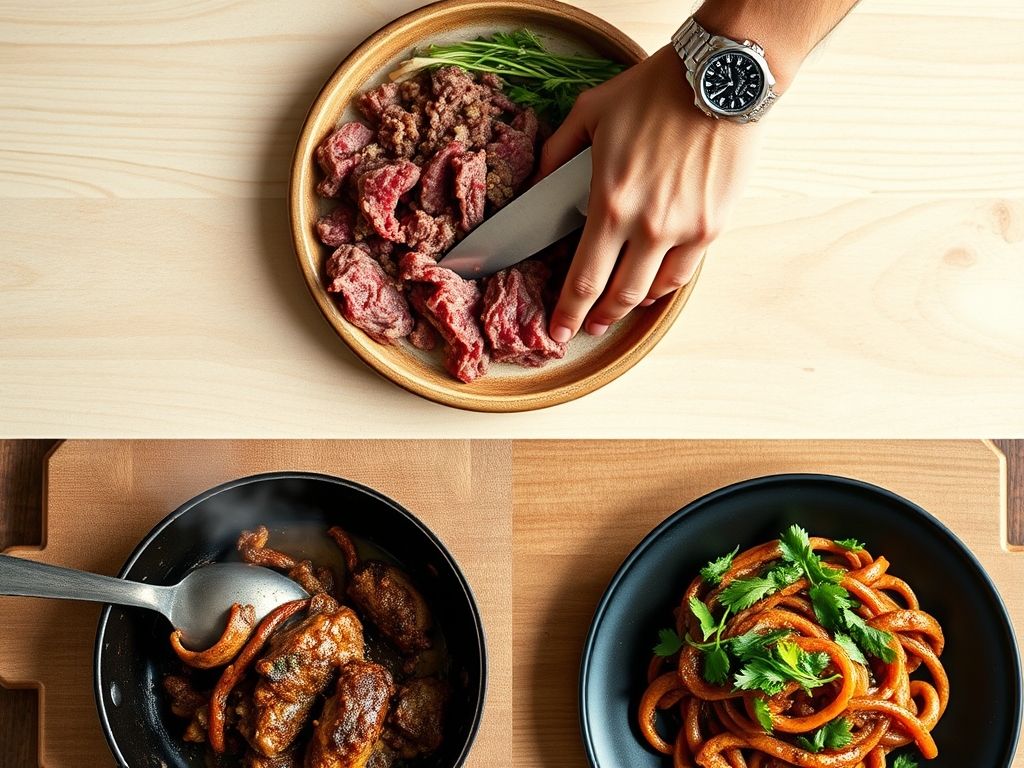
Before the meat even touches the heat, take it out of the refrigerator for 20 minutes. Cold meat causes the pan temperature to plummet, leading to steaming rather than searing. Pro Tip: This prevents thermal shock, ensuring the muscle fibers do not contract too violently, which keeps the meat tender rather than tough.
2. The Dry Sear
Heat a heavy bottomed skillet over medium-high heat until a drop of water flicked onto the surface dances and evaporates instantly. Add the beef without any oil. Use a wooden spoon to break it into large chunks. Pro Tip: This allows the natural fats to render out slowly. By not crowding the pan, you allow moisture to escape as steam, facilitating the Maillard reaction for a deeper flavor profile.
3. Managing the Liquid
As the beef browns, you will notice liquid pooling in the pan. Do not drain it yet. Let that moisture evaporate until you hear a sharp sizzling sound. Pro Tip: This sound indicates that the water has left the building and you are now frying the meat in its own purified tallow, which concentrates the beefy essence.
4. Sweating the Aromatics
Push the meat to the edges of the skillet and add your diced onions to the center. Use the fat already in the pan to soften them until they are translucent and slightly golden. Pro Tip: Onions contain natural sugars that undergo caramelization at 320 degrees Fahrenheit. Sweating them in the meat fat creates a flavor bridge between the protein and the vegetables.
5. The Spice Infusion
Add your garlic paste and Seven-Spice blend directly into the hot fat at the bottom of the pan for 30 seconds before mixing it into the meat. Pro Tip: Many spice compounds are lipid-soluble, meaning their full aromatic potential is only unlocked when toasted in hot oil. This process is called "blooming" and it prevents the spices from tasting raw or gritty.
6. The Deglaze
If there are dark brown bits stuck to the bottom of your skillet, add a splash of water or beef stock and scrape them up with your spoon. Pro Tip: This is called deglazing. Those bits (the fond) are concentrated umami bombs that, when reincorporated, create a viscous, flavorful coating for every morsel of beef.
7. The Nutty Finish
Fold in your toasted pine nuts and a handful of chopped fresh parsley at the very last second. Pro Tip: Parsley contains volatile oils that dissipate under heat. Adding it at the end preserves the enzymatic brightness and provides a visual contrast to the rich, brown meat.
8. The Resting Phase
Transfer the mixture to a serving bowl and let it sit for three minutes before serving. Pro Tip: This allows for carryover cooking to finish, letting the juices redistribute through the meat fibers so every bite is consistently moist.
The Deep Dive
From a nutritional standpoint, Lebanese ground beef is a powerhouse. A standard serving provides roughly 25 grams of protein and is rich in iron and B12. Because we use fresh aromatics and spices rather than heavy creams, the calorie density remains manageable.
For those with dietary restrictions, this recipe is incredibly flexible. Vegan Swaps: Replace the beef with a mix of brown lentils and finely chopped walnuts to mimic the texture. Keto/GF: This recipe is naturally low carb and gluten free; just ensure your spice blend does not contain anti-caking agents like flour.
The Fix-It:
- The Meat is Greasy: This happens if the heat was too low. Fix it by tossing the cooked meat with a tablespoon of toasted breadcrumbs to absorb the excess tallow.
- The Flavor is Flat: You likely forgot to salt at every stage. Add a squeeze of fresh lemon juice; the citric acid acts as a flavor magnifier.
- The Meat is Rubbery: You overworked the beef during the browning phase. Next time, move it less frequently to allow a crust to form without breaking the protein bonds too much.
Meal Prep Science: To reheat, avoid the microwave. Use a small saucier with a teaspoon of water and cover it with a lid. This creates a steam chamber that rehydrates the protein without overcooking it, maintaining "day-one" quality.
The Wrap-Up
Mastering lebanese ground beef recipes is about more than just following a list of ingredients. It is about understanding the physics of the pan and the chemistry of the spice rack. When you nail that perfect balance of rendered fat, toasted spices, and fresh herbs, you are bringing a piece of Mediterranean history into your kitchen. It is fast, it is smart, and it is undeniably delicious. Now, go grab that skillet and show that beef who is boss!
The Kitchen Table
Can I use ground lamb instead of beef?
Absolutely. Lamb is traditional in many Lebanese regions. It has a higher fat content and a more gamey profile. Ensure you use a heavy-bottomed skillet to manage the extra rendering and balance the richness with extra lemon juice.
What is the best way to store leftovers?
Store the beef in an airtight glass container for up to four days. Glass is non-porous and won't absorb the strong aromatic oils from the Seven-Spice, keeping the flavor profile sharp for your next meal.
Why are my pine nuts burning so fast?
Pine nuts have a high oil content and very little mass. They transition from raw to burnt in seconds. Always toast them over medium-low heat and remove them from the pan the moment they turn golden.
Is there a substitute for Seven-Spice?
Yes. You can create a quick DIY version by mixing equal parts ground allspice and black pepper, then adding a pinch of cinnamon, cloves, and nutmeg. This captures the warm, piquant essence required for authentic flavor.
Can I freeze this cooked beef mixture?
Yes, it freezes beautifully for up to three months. To maintain the best texture, defrost it in the refrigerator overnight before reheating in a skillet to re-crisp the edges and aerate the fats.