
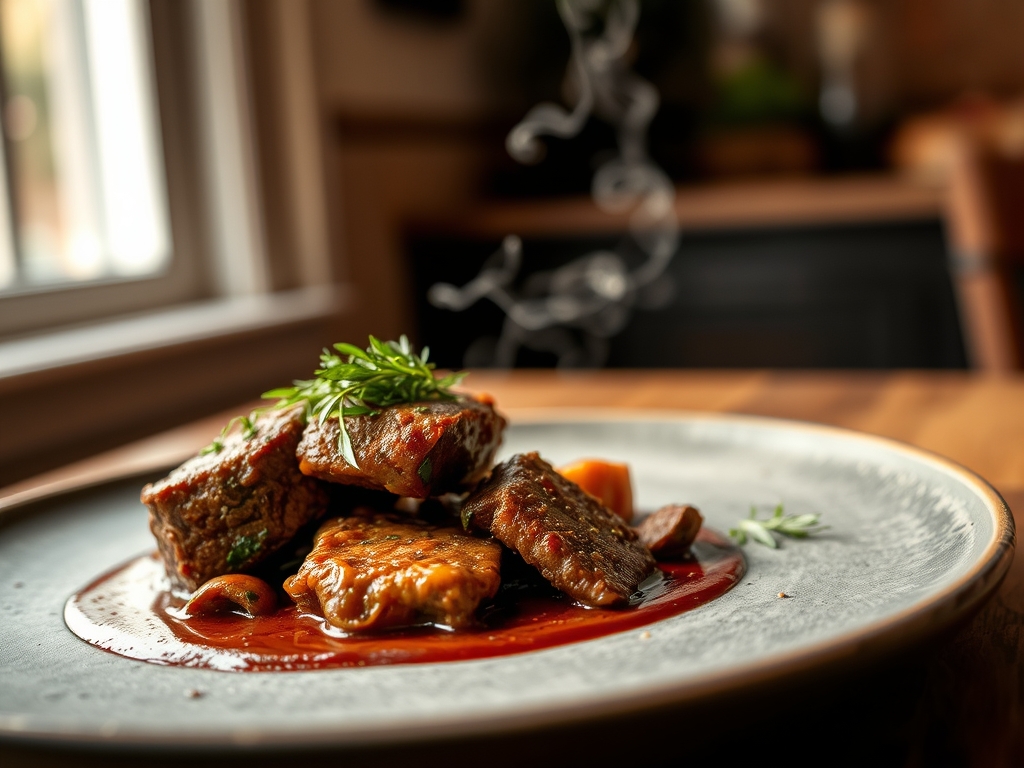
Picture a cast iron skillet screaming hot on the range; the air fills with a deep, earthy aroma that tells you this is not your average Tuesday night dinner. We are diving into the world of bison beef recipes, where the meat is leaner, the flavor is more robust, and the nutritional profile puts standard cattle to shame. Bison is the wilder, more sophisticated cousin of beef, boasting a higher protein-to-fat ratio and a piquant richness that requires a gentle touch and a bit of scientific savvy. Because bison is so lean, it behaves differently under heat; it demands respect for the Maillard reaction without the safety net of heavy marbling. We are going to master eight distinct ways to prepare this heritage protein, ensuring every bite is succulent rather than tough. From searing steaks to simmering a rich ragu, these bison beef recipes are designed to elevate your kitchen game while fueling your body with dense, bioavailable iron and omega-3 fatty acids. Grab your apron; we are about to transform these primal cuts into modern culinary masterpieces.
The Gathers:
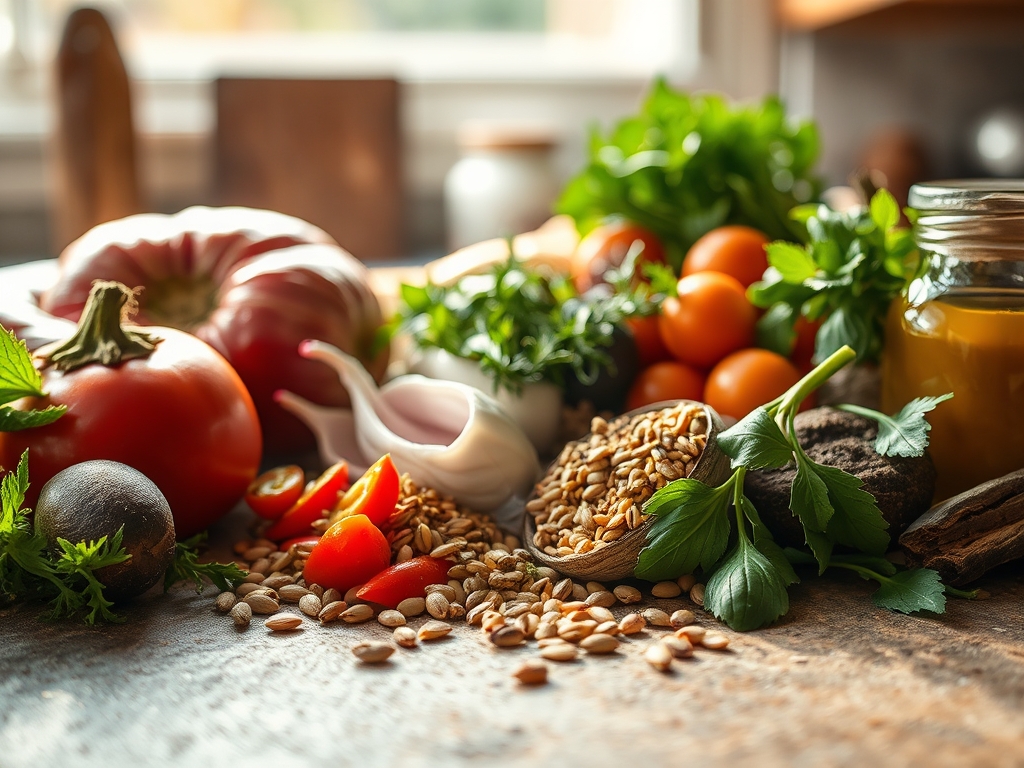
To execute these bison beef recipes with precision, your mise-en-place must be impeccable. Start with the protein: look for deep red hues, as the lack of fat means the color comes from high myoglobin levels. You will need a heavy-bottomed skillet for heat retention and a digital scale to ensure consistent portioning. Your aromatics should include fresh thyme, rosemary, and garlic cloves that have been smashed to release their volatile oils. For the liquid components, keep a high-quality bone broth and a dry red wine nearby to deglaze your pan.
Smart Substitutions:
If you cannot find ground bison, a "grass-fed" lean beef (90/10) is the closest textural match, though you will lose that signature sweetness. For a dairy-free creamy element in your sauces, reach for cashew cream or a high-quality tahini to mimic the viscous mouthfeel of heavy cream. If you are avoiding nightshades, swap paprika for a pinch of ground turmeric and cumin to maintain a warm color profile without the heat. Always use a microplane for your citrus zest and hard cheeses to ensure they infuse the dish evenly rather than clumping.
The Clock
Efficiency in the kitchen is about understanding the "Chef's Flow." For most bison beef recipes, the prep time is roughly 20 minutes; this involves trimming any silver skin and allowing the meat to reach room temperature to prevent thermal shock. The cook time varies by method: a sear takes 6 to 8 minutes, while a braise requires 2 to 3 hours of low, slow heat.
The secret to the flow is multitasking during the "resting" phases. While your meat rests on a bench scraper or cutting board, use that time to whisk your vinaigrettes or reduce your pan sauces. Bison cooks about 30 percent faster than beef because it lacks the insulating fat layers, so your "active" time is shorter but requires more focus. Always use a digital thermometer to track progress; bison is best served medium-rare to preserve its delicate cellular structure.
The Masterclass
1. The Tempering Phase
Before the heat even touches the meat, you must remove the bison from the refrigerator at least 30 minutes prior to cooking. This ensures the muscle fibers relax and the internal temperature rises evenly.
Pro Tip: This prevents "thermal shock," where the exterior overcooks and toughens before the center reaches the desired temperature. Use a digital scale to ensure steaks are of uniform thickness for even heat distribution.
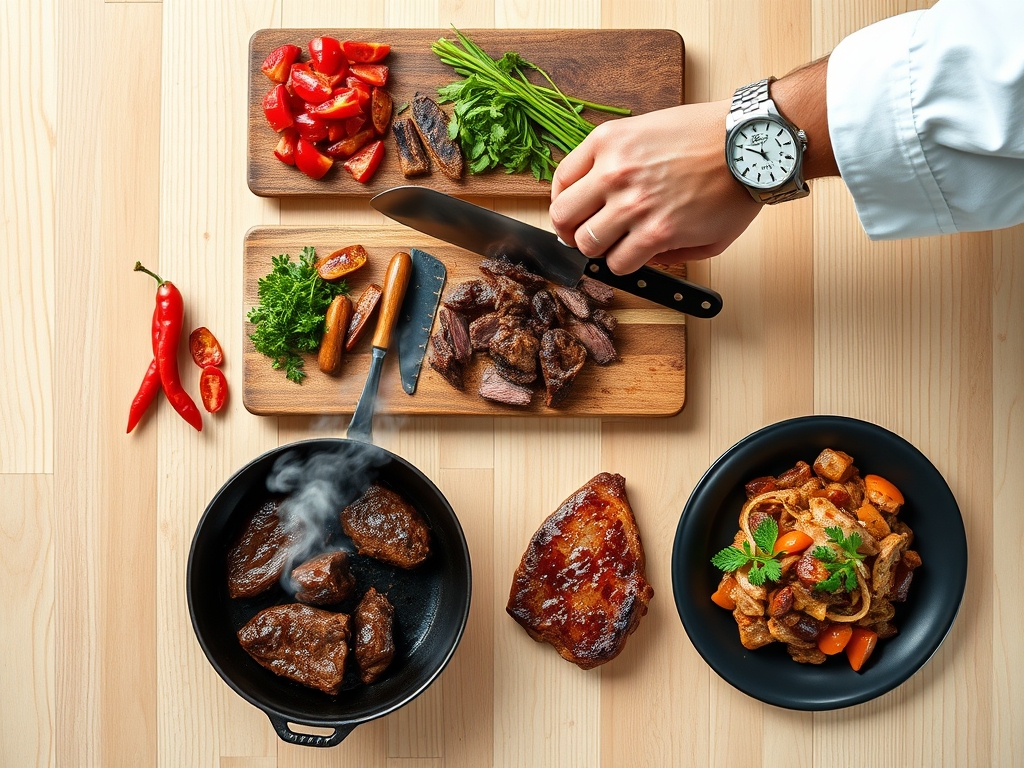
2. The Sear and Maillard Reaction
Pat the meat bone-dry with paper towels and season aggressively with kosher salt. Place it into a preheated heavy-bottomed skillet with a high-smoke-point oil like avocado oil.
Pro Tip: Salt acts as a desiccant, drawing moisture to the surface which then evaporates, allowing the Maillard reaction to occur. This chemical reaction between amino acids and reducing sugars creates that savory, browned crust.
3. The Deglaze and Fond Recovery
After removing the meat, you will see browned bits stuck to the bottom of the pan; this is "fond." Pour in a splash of wine or stock and use a wooden spoon to scrape it up.
Pro Tip: This process captures concentrated flavor compounds. The liquid acts as a solvent, lifting the caramelized proteins into a viscous sauce that coats the back of a spoon.
4. The Gentle Braise
For tougher cuts like bison chuck, submerge the meat halfway in a flavored liquid and simmer at a very low temperature in a saucier or Dutch oven.
Pro Tip: Low heat allows for the hydrolysis of collagen. Over time, tough connective tissue transforms into gelatin, providing a silky texture and preventing the lean bison fibers from drying out.
5. The Emulsified Pan Sauce
Whisk cold butter or a starch slurry into your reduced deglazing liquid until it becomes glossy and thick.
Pro Tip: This is emulsification, where fat droplets are suspended in water. The fat molecules coat the palate, softening the lean profile of the bison and carrying the herbal notes of your aromatics.
6. The Carryover Rest
Transfer the meat to a warm plate and tent loosely with foil. Do not cut into it for at least 10 minutes.
Pro Tip: This accounts for thermal carryover, where the internal temperature rises another 5 degrees. Resting also allows the muscle fibers to reabsorb juices, ensuring the moisture stays in the meat rather than on the cutting board.
The Deep Dive
Macro Nutrition:
Bison is a nutritional powerhouse. Per 3.5-ounce serving, it typically contains only 2 to 3 grams of fat compared to beef's 8 to 10 grams. It is exceptionally high in B12, which supports neurological function, and contains significantly more iron than traditional beef, making it ideal for athletes or those managing anemia.
Dietary Swaps:
- Keto: Replace any flour-based thickeners with a pinch of xanthan gum or heavy cream.
- Vegan/Vegetarian: While this guide focuses on bison, you can apply these searing techniques to "meaty" mushrooms like Lion's Mane or King Oyster.
- Gluten-Free: Ensure your beef broth is certified GF and use tamari instead of soy sauce for a savory depth.
The Fix-It:
- Tough Meat: You likely overcooked it. Fix it by slicing it very thin against the grain and tossing it in a warm, fatty sauce to add artificial moisture.
- Lack of Crust: The pan wasn't hot enough or the meat was wet. Fix it by finishing the meat under a high broiler for 60 seconds.
- Bland Sauce: It needs acidity. Add a squeeze of lemon or a teaspoon of balsamic vinegar to brighten the flavors and cut through the richness.
Meal Prep:
When reheating bison beef recipes, avoid the microwave. The high-frequency waves vibrate water molecules so fast they steam the meat from the inside, making it rubbery. Instead, reheat gently in a covered skillet with a tablespoon of water or broth to create a steam-convection environment that preserves the original texture.
The Wrap-Up
Mastering bison beef recipes is about embracing the lean nature of the meat and using science to enhance its natural strengths. By focusing on temperature control, proper resting, and the magic of the Maillard reaction, you turn a simple protein into a gourmet experience. Bison is not just a healthy alternative; it is a flavor-forward choice for the conscious cook. Now that you have the tools and the technical know-how, it is time to fire up that skillet and let the aromas of the wild take over your kitchen.
The Kitchen Table
Can I cook bison the same way I cook beef?
Not exactly. Because bison is significantly leaner, it cooks about 30 percent faster. You must lower the heat and aim for a medium-rare finish to prevent the meat from becoming dry or tough.
What is the best internal temperature for bison?
For the best texture, aim for an internal temperature of 135°F (57°C) for medium-rare. Bison lacks the fat to buffer high heat, so anything beyond medium (145°F) will likely result in a very firm, dry texture.
Does bison taste "gamey" like venison?
Surprisingly, no. Bison is often described as having a cleaner, slightly sweeter flavor than beef. It lacks the heavy "greasy" aftertaste sometimes found in grain-fed cattle, making it a very approachable wild protein.
What are the best seasonings for bison?
Since bison is naturally flavorful, keep it simple. Kosher salt, cracked black pepper, and fresh garlic are essential. Earthy herbs like sage, rosemary, and thyme complement its wild origins perfectly without overpowering the meat.