
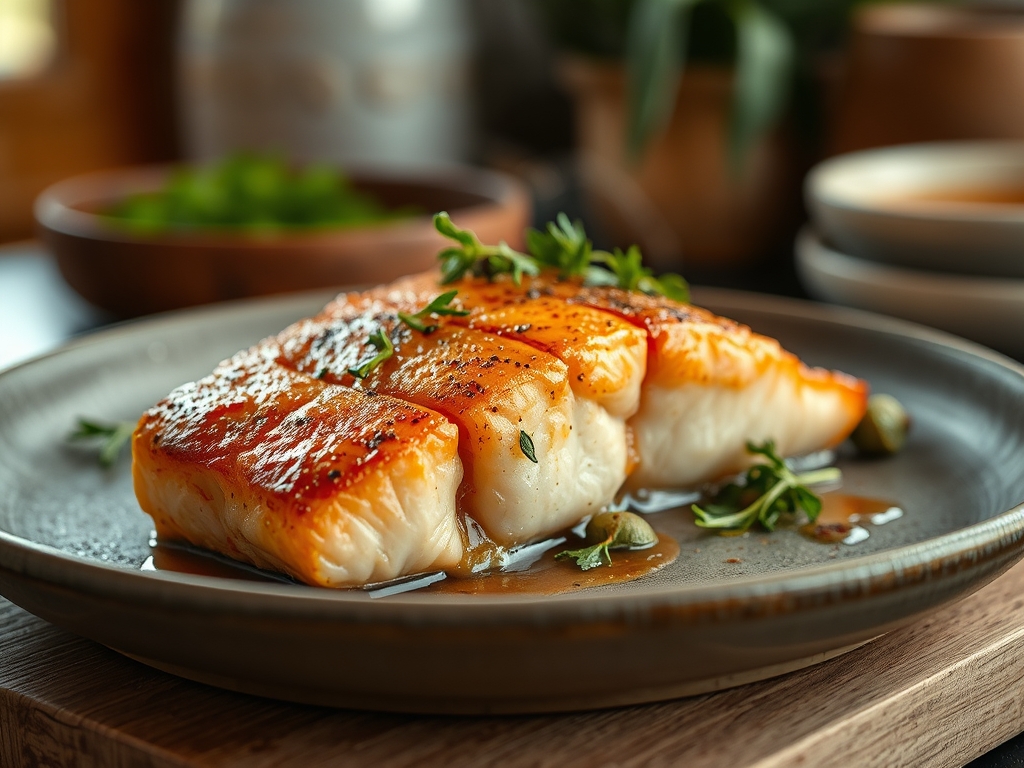
Picture this: the kitchen is filled with the scent of toasted citrus and brown butter while the oven hums a steady, comforting tune. When you are craving a meal that feels like a five star indulgence but requires the effort of a Tuesday night, atlantic salmon recipes baked to perfection are your ultimate secret weapon. There is a specific magic that happens when high heat meets the rich, marbled fats of a cold water fish. The skin transforms into a crisp, savory wafer while the interior remains a delicate, translucent pink. We are moving beyond the basic lemon slice and dried dill; we are diving into a world where chemistry meets convenience.
Atlantic salmon is the crown jewel of the weeknight rotation because it is incredibly forgiving. Its high fat content acts as a thermal buffer, protecting the protein fibers from toughening up if you leave it in the oven for sixty seconds too long. In this guide, I am going to show you how to master seven distinct flavor profiles using a single, foolproof technique. We will manipulate salt concentrations to lock in moisture and use high-surface-area aromatics to infuse every bite with flavor. Grab your favorite apron and clear the counter; we are about to turn your kitchen into a high end bistro.
The Gathers:
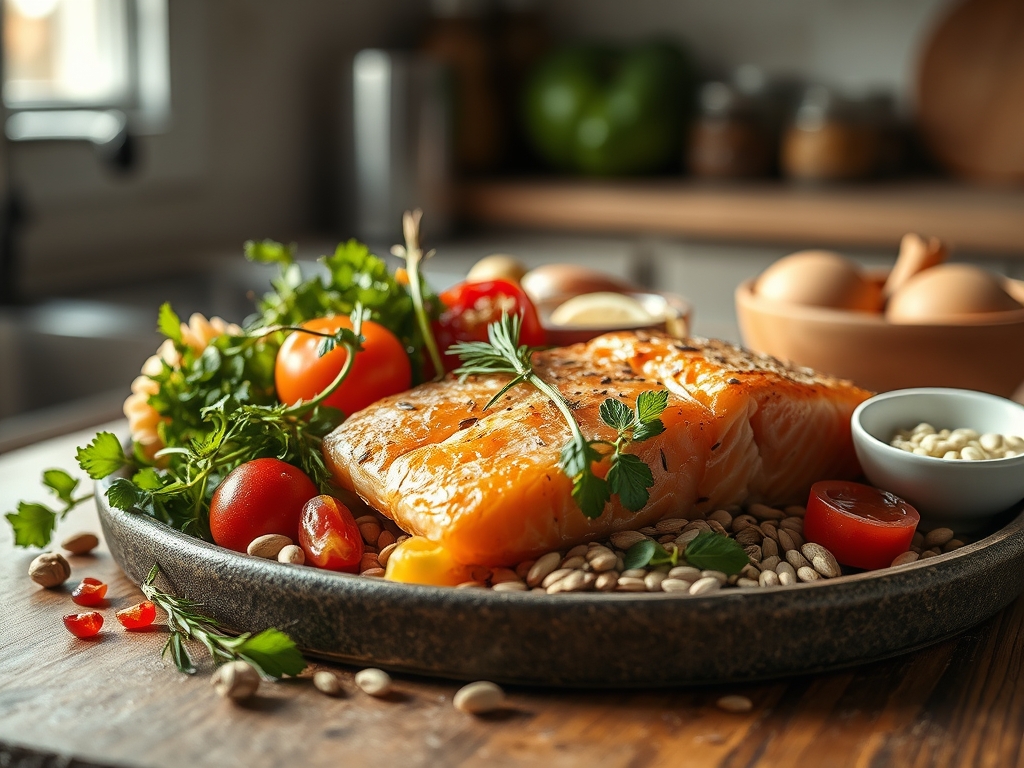
Setting up your mise-en-place is not just about organization; it is about controlling the variables of flavor. To start, you need a high quality side of Atlantic salmon. Look for flesh that is firm to the touch with no gaping between the muscle fibers. You will also need a heavy-bottomed rimmed baking sheet to ensure even heat distribution. For the aromatics, keep a microplane handy to zest citrus and grate fresh ginger into a fine, viscous paste.
Our flavor pantry includes high-smoke-point fats like avocado oil or clarified butter, which allow for better heat transfer without scorching. We will use coarse kosher salt for its jagged crystal structure, which adheres better to the protein surface than fine table salt. For the "Seven Variations," ensure you have these "Smart Substitutions" ready: if you lack fresh honey, use maple syrup for a more complex, woody sweetness; if you are out of lemons, a splash of rice vinegar provides that necessary piquant acidity to cut through the rich fish oils.
The Clock
Efficiency in the kitchen is all about "Chef's Flow." This means you are never standing still. While the oven preheats to 425 degrees Fahrenheit, you are prepping your glazes. The prep time for these atlantic salmon recipes baked is roughly ten minutes. The actual cook time varies between twelve and fifteen minutes depending on the thickness of the fillet.
The total cycle from fridge to table is under thirty minutes. The flow works like this: preheat the oven and the baking sheet simultaneously. While the metal gets hot, pat the fish dry and apply your seasoning. By the time the oven reaches temperature, your salmon is ready to hit the hot steel, initiating an immediate sear on the bottom. While the fish roasts, you can aerate a quick side salad or steam some greens. This overlap ensures that every component of the meal reaches the plate at the peak of its textural integrity.
The Masterclass
1. The Desiccation Ritual
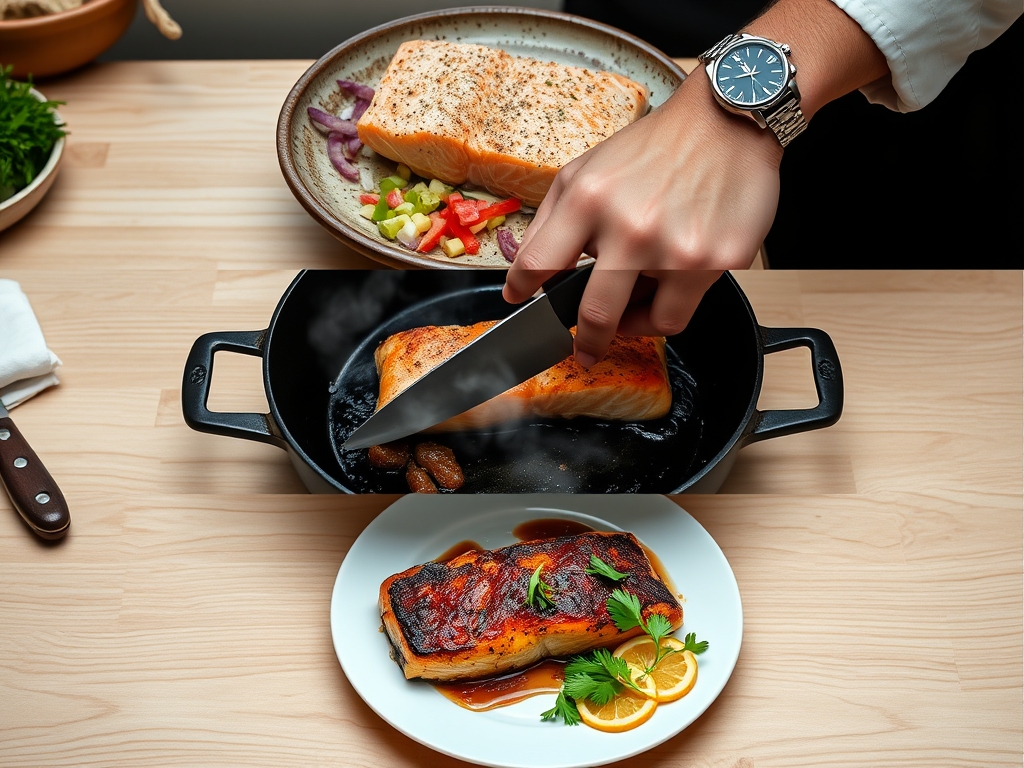
Start by using a paper towel to press every bit of moisture off the surface of the fish. Moisture is the enemy of the Maillard reaction. If the skin is damp, the salmon will steam rather than roast.
Pro Tip: This process is called surface evaporation. By removing water, you allow the heat to immediately begin breaking down proteins into savory amino acids, creating that golden-brown crust we crave.
2. The Seasoning Foundation
Apply a generous layer of kosher salt and freshly cracked black pepper from a height of about twelve inches. This ensures an even distribution of crystals across the entire surface area.
Pro Tip: Salt acts as a denaturant. It begins to break down the tightly wound protein coils, allowing them to trap more water during the cooking process. This results in a much juicier final product.
3. The Glaze Application
Using a silicone brush or a small saucier, apply your chosen glaze. Whether it is a honey-garlic emulsion or a miso-ginger paste, ensure the coating is thin and even.
Pro Tip: High-sugar glazes should be applied in the last five minutes of cooking to prevent the sugars from reaching their burning point before the fish is cooked through. This is the science of caramelization control.
4. The Thermal Transition
Slide the baking sheet into the center rack of the oven. If you are looking for a more aggressive char, you can move it to the top third of the oven to utilize the radiant heat from the ceiling.
Pro Tip: Use a digital scale or a meat thermometer to pull the salmon when it hits 125 degrees Fahrenheit. The temperature will continue to rise about five degrees after it leaves the oven due to thermal carryover.
5. The Resting Period
Transfer the salmon to a warm plate and let it rest for three to five minutes. Do not skip this. If you cut into it immediately, the pressurized juices will escape.
Pro Tip: Resting allows the muscle fibers to relax and reabsorb the moisture that was pushed toward the center during cooking. This ensures a succulent, flakey texture in every forkful.
The Deep Dive
From a nutritional standpoint, Atlantic salmon is a powerhouse. A six-ounce portion provides roughly 34 grams of high quality protein and is rich in Omega-3 fatty acids, which are essential for brain health. For my friends with dietary restrictions, these recipes are incredibly adaptable. To make these keto-friendly, swap honey for monk fruit sweetener. For a vegan alternative, the same glazes work beautifully on thick slabs of roasted cauliflower or firm tofu. If you are gluten-free, simply ensure your soy sauce is replaced with tamari.
Even the best chefs run into trouble. If your salmon has white beads on the surface, that is albumin, a protein that gets pushed out when the fish is cooked too fast or too long. To fix this, try a quick salt brine before baking. If the skin is soggy, your oven temperature was likely too low; ensure you use an oven thermometer to verify the heat. If the glaze is too thin, use a bench scraper to move the fish and reduce the remaining juices in a small pan until they are viscous enough to coat a spoon. For meal prep, reheat your salmon in a low oven at 275 degrees with a splash of water to prevent it from drying out.
The Wrap-Up
Mastering atlantic salmon recipes baked at home is about more than just following a list of ingredients; it is about understanding how heat and salt transform a raw product into a culinary masterpiece. You now have the technical knowledge to troubleshoot any kitchen mishap and the creative freedom to swap flavors on a whim. Whether you are hosting a dinner party or just trying to survive a Monday, these seven variations will keep your palate excited and your body fueled. Now, go forth and roast with confidence!
The Kitchen Table
How do I know when baked salmon is done?
The salmon is done when the flesh is opaque and flakes easily with a fork. For the best texture, use a thermometer to check for an internal temperature of 130 degrees Fahrenheit after a brief resting period.
Can I bake salmon from frozen?
Yes, but for the best results, thaw it first. If baking from frozen, rinse off any ice crystals, pat dry, and increase the cook time by about 50 percent. Note that the texture may be slightly softer than fresh.
Why is my salmon skin not crispy?
Soggy skin usually results from excess moisture or low heat. Always pat the skin completely dry with paper towels and ensure your oven is fully preheated to at least 400 degrees Fahrenheit before the fish goes in.
How long does leftover baked salmon last?
Stored in an airtight container, baked salmon remains fresh for up to three days in the refrigerator. To maintain quality, avoid reheating it in the microwave; use a low-temperature oven or serve it cold over a crisp salad.