
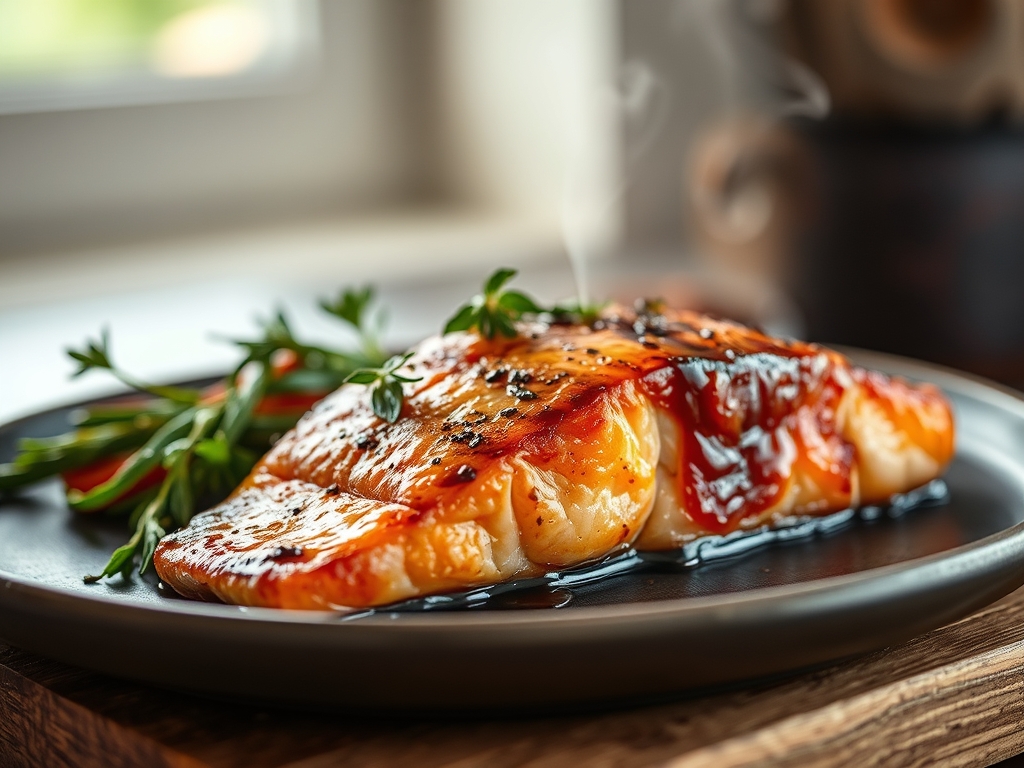
Picture this: the sun is dipping below the horizon, the air is thick with the scent of hickory smoke, and you are standing over a grate where the most succulent, mahogany-crusted fillet is glistening under a glaze. When we hunt for the best barbecue salmon recipes, we are really chasing that perfect tension between a crisp, charred exterior and an interior so buttery it practically sighs onto your fork. It is not just dinner; it is a masterclass in heat management and flavor layering. I have spent years obsessing over the physics of the grill to ensure every bite is a revelation. We are about to transform a simple piece of fish into a smoky, piquant masterpiece that will make your neighbors lean over the fence in envy.
The Gathers:
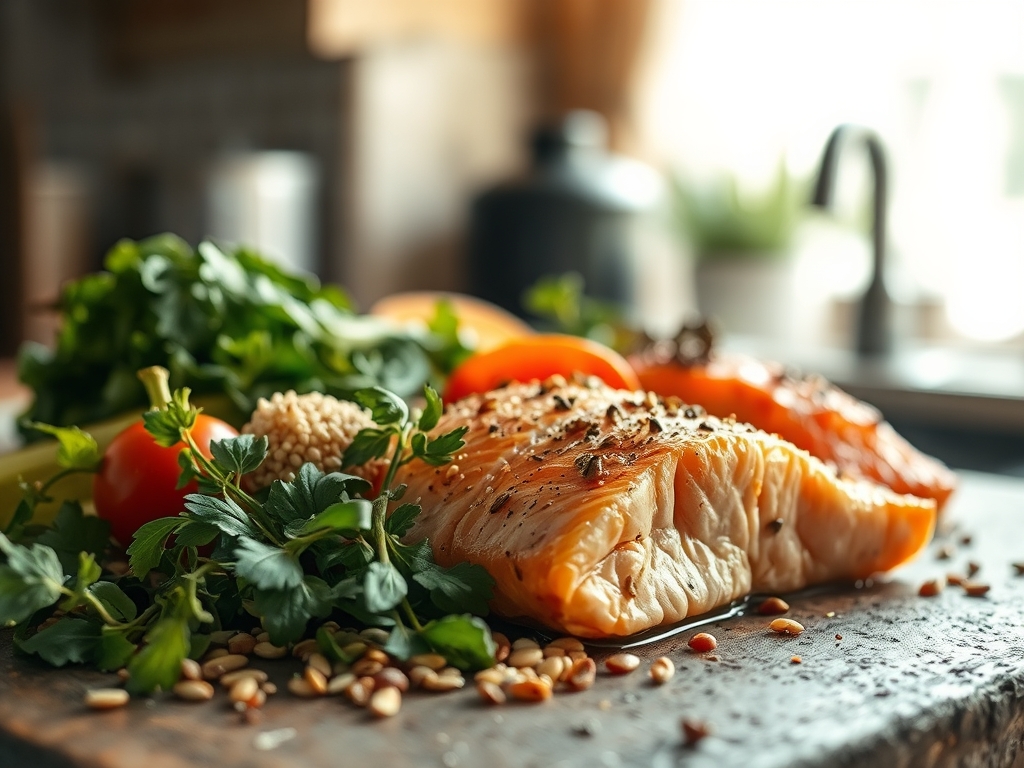
Before we ignite the first coal, we must assemble our laboratory. Start with a side of king or sockeye salmon; look for high intramuscular fat which ensures the meat remains succulent even under high heat. You will need a digital scale to measure your dry rub precisely. Our flavor profile relies on a base of dark brown sugar for caramelization, smoked paprika for depth, and kosher salt to denature the proteins.
For the wet component, gather high-quality maple syrup and Dijon mustard to create a viscous glaze that clings to the fibers. You will also need a microplane for fresh lemon zest and a saucier to gently warm your glaze, ensuring the sugars are fully dissolved and ready to infuse the flesh.
Smart Substitutions: If you are avoiding refined sugar, coconut aminos and honey offer a similar Maillard reaction profile. For those who want a kick, swap the paprika for chipotle powder to add a capsaicin-driven heat that cuts through the fatty acids of the fish.
The Clock:
The "Chef's Flow" is all about timing the thermal momentum. Your prep time is a brisk 15 minutes, mostly involving the mise-en-place and the initial seasoning. The salmon requires a 20-minute rest at room temperature; this prevents "thermal shock" where the cold fibers seize up and squeeze out moisture upon hitting the grill.
The cook time itself is a fast-paced 10 to 12 minutes depending on thickness. However, the most critical phase is the 5-minute rest post-grill. During this window, residual heat finishes the center while the juices redistribute, ensuring your first cut does not result in a dry, weeping fillet. Total time from counter to table is roughly 45 minutes of focused, aromatic bliss.
The Masterclass:
1. The Tempering Phase
Remove your salmon from the refrigerator and pat it bone-dry with paper towels. Use a bench scraper to ensure the skin is free of any moisture. Moisture is the enemy of the sear; if the surface is damp, the fish will steam rather than brown.
Pro Tip: This phase utilizes evaporative cooling science. By drying the skin thoroughly, you ensure the heat goes directly into the Maillard reaction rather than wasting energy evaporating surface water.
2. The Dry Rub Application
Whisk your spices in a small bowl. Coat the flesh side generously, pressing the spices in so they adhere. This creates a "crust" that protects the delicate proteins from the direct flame of the grill.
Pro Tip: Salt acts as a denaturant, uncoiling the protein strands so they can trap moisture more effectively during the cooking process.
3. Calibrating the Heat Zones
Set up a two-zone fire on your grill. One side should be screaming hot for the initial sear, while the other remains a cooler sanctuary for gentle finishing. Use heavy-duty tongs to oil the grates thoroughly.
Pro Tip: Seasoning the grates creates a polymerized non-stick layer, preventing the delicate skin from tearing when you attempt the flip.
4. The Skin-Side Sear
Place the salmon skin-side down on the hot zone. Do not move it. You want the heat to render the fat beneath the skin, turning it into a crisp, cracker-like texture.
Pro Tip: This is conduction at work. The skin acts as a heat shield, protecting the more sensitive flesh from the aggressive direct infrared heat of the coals.
5. The Flip and Glaze
Once the skin releases easily from the grate, flip the fish to the cooler zone. Use a silicone brush to apply the glaze from your saucier. The sugars will begin to bubble and aerate, creating a sticky lacquer.
Pro Tip: The glaze creates an osmotic barrier, locking in the internal moisture while the sugars undergo caramelization at a lower temperature.
6. Monitoring the Core
Insert a digital thermometer into the thickest part of the fillet. You are aiming for 125 degrees Fahrenheit for a perfect medium-rare. The fish will continue to cook once removed from the heat.
Pro Tip: This accounts for thermal carryover. If you wait until the fish hits 135 on the grill, the internal temperature will climb to 145 while resting, leading to a chalky texture.
7. The Resting Ritual
Transfer the salmon to a warm platter. Cover it loosely with foil; do not tent it too tightly or the steam will soften your hard-earned crispy skin.
Pro Tip: Resting allows the viscosity of the internal juices to increase as they cool slightly, meaning they stay inside the meat rather than spilling onto the plate.
8. The Final Infusion
Just before serving, use your microplane to grate fresh lemon zest and a sprinkle of fleur de sel over the top. This adds a bright, acidic "high note" to the smoky, fatty profile.
Pro Tip: Acid acts as a palate cleanser, breaking through the heavy lipids of the salmon and making the flavors feel more vibrant.
9. The Presentation Cut
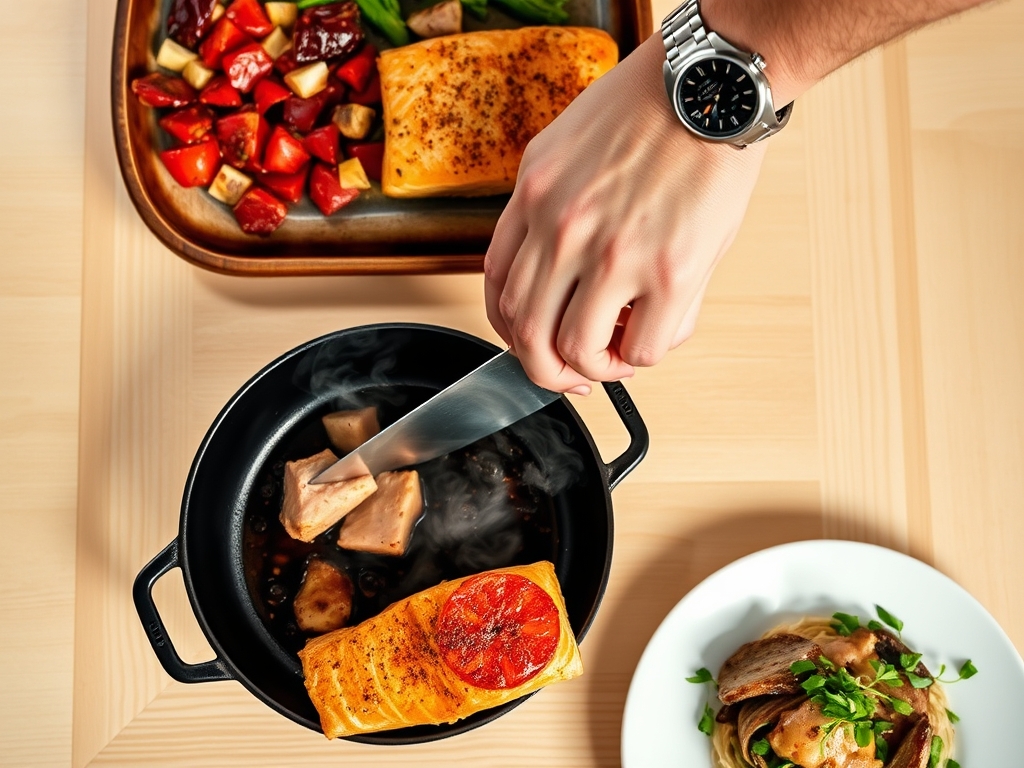
Use a sharp carving knife to slice the salmon into portions. Note the texture in the step-by-step photos below; the flakes should be large and moist, separating easily with minimal pressure.
Pro Tip: Cutting against the grain of the muscle fibers ensures a more tender mouthfeel by shortening the protein strands.
The Deep Dive:
From a nutritional standpoint, this is a powerhouse meal. A standard 6-ounce serving provides roughly 34 grams of high-quality protein and is brimming with Omega-3 fatty acids, which are essential for brain health. It is naturally low in carbohydrates, making it a staple for those seeking the best barbecue salmon recipes within a Keto or Paleo framework.
Dietary Swaps: To make this vegan, you can apply the same glaze and smoking technique to thick slabs of "watermelon steak" or firm tofu, though the cooking times will decrease. For a Gluten-Free version, ensure your mustard and any added soy sauce are certified GF.
The Fix-It:
- White Gunk (Albumin): If you see white liquid seeping out, your heat is too high. The muscle fibers are contracting too fast and squeezing out the protein. Lower the heat immediately.
- Sticking Skin: If the fish won't budge, it is not ready. The skin will naturally release once the carbonization of the surface is complete.
- Flaring Flames: If fat drippings cause fire, move the fish to the cool zone. Keep a lid nearby to starve the fire of oxygen.
Meal Prep: To reheat, avoid the microwave at all costs. Instead, place the salmon in a 275-degree oven with a splash of water and cover with foil. This creates a mini steam chamber that restores the moisture content without overcooking the delicate fats.
The Wrap-Up:
Mastering the grill is about more than just fire; it is about understanding how heat interacts with the soul of the ingredient. By focusing on the Maillard reaction, managing thermal carryover, and using the right tools like a digital scale and saucier, you turn a standard weeknight meal into a culinary event. These 9 secrets ensure that every time you look for the best barbecue salmon recipes, you have the technical prowess to deliver a result that is smoky, sweet, and perfectly tender. Now, grab those tongs and get to work!
The Kitchen Table:
How do I prevent salmon from sticking to the grill?
Ensure your grates are scrubbed clean and heavily oiled. Most importantly, do not touch the fish until the skin has fully rendered and charred; it will naturally release from the metal once the sear is complete.
What is the best temperature for grilled salmon?
For a buttery, restaurant-quality texture, pull the salmon off the heat when the internal temperature reaches 125 degrees Fahrenheit. Carryover cooking will bring it to a perfect 130 degrees as it rests on the platter.
Can I use frozen salmon for barbecuing?
Yes, but it must be fully thawed in the refrigerator and patted extremely dry. Frozen fish often has more surface moisture, which can interfere with the caramelization process and lead to a soggy texture.
Should I leave the skin on when grilling?
Always. The skin acts as a protective thermal barrier that prevents the flesh from drying out. Even if you do not plan to eat the skin, it is essential for maintaining the succulence of the fillet.