
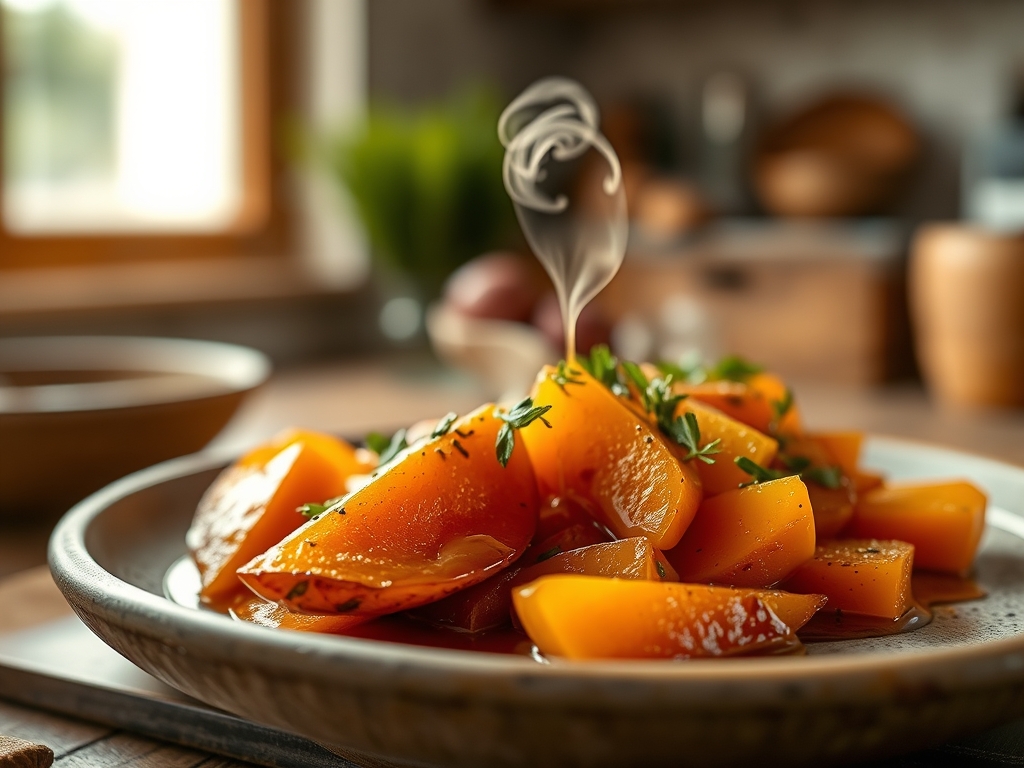
Close your eyes and imagine the scent of woodsmoke mingling with the deep, earthy sweetness of a slow-roasted root vegetable. There is a specific magic that happens when high-sugar tubers meet the heat of a heavy-bottomed skillet. Mastering sweet potato recipes with syrup is less about following a card and more about orchestrating a symphony of caramelization and starch conversion.
We are looking for that elusive, glass-like exterior that shatters into a cloud of velvety, orange interior. It is the ultimate culinary tension between a savory side dish and a decadent dessert. Most people settle for mushy, cloying piles of orange mash, but you and I are going for something much more sophisticated. We are talking about deep amber glazes that cling to every crevice through the power of molecular reduction. By the time we are finished, you will understand exactly why certain sugars behave the way they do when they meet the intense heat of a preheated oven or a scorching saucier. Grab your favorite apron and a sharp chef knife; we are about to turn a humble root into a masterpiece of texture and flavor.
The Gathers:
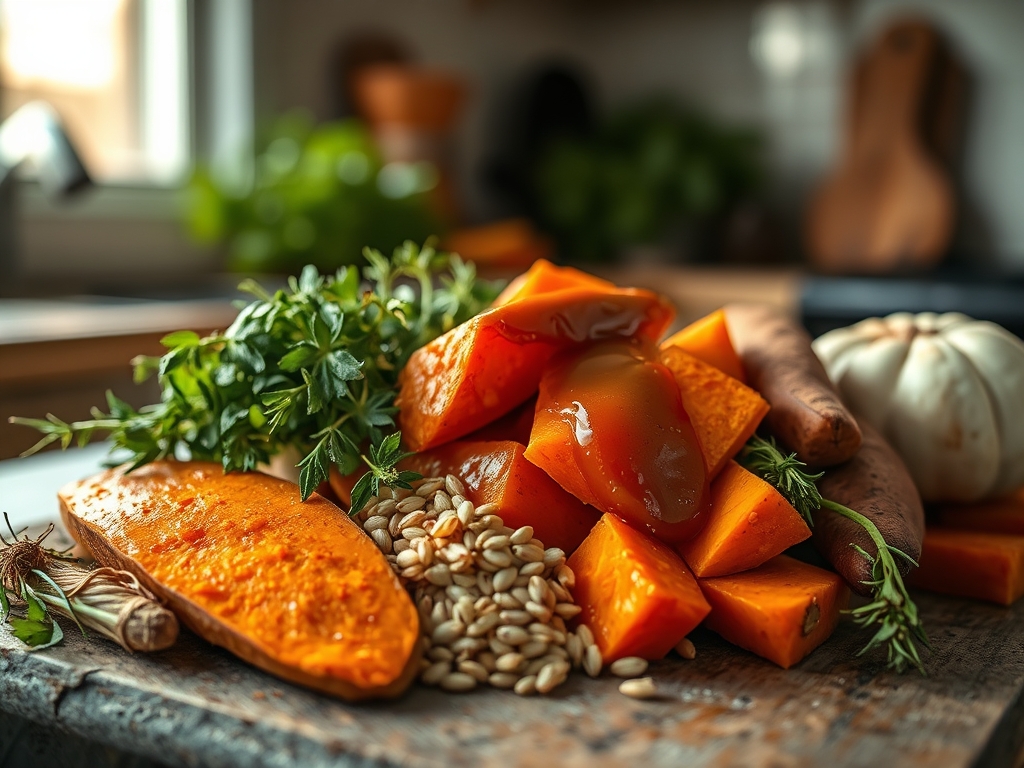
To achieve the perfect glaze, your mise-en-place must be precise. We start with three pounds of Beauregard or Jewel sweet potatoes. These varieties are high in amylase, the enzyme responsible for converting starches into maltose during the cooking process. You will need a high-quality maple syrup or a viscous sorghum syrup to provide the structural backbone of your glaze. Unlike honey, which can burn too quickly due to high fructose content, maple syrup offers a more stable sucrose profile for long-term roasting.
For the fat component, reach for unsalted European-style butter. Its lower water content and higher butterfat percentage ensure a more stable emulsion. You will also need Maldon sea salt for its flaky texture and a piquant kick from fresh ginger grated on a microplane. To balance the sweetness, keep a bottle of apple cider vinegar or lemon juice nearby to deglaze the pan and provide much-needed acidity.
Smart Substitutions: If you are avoiding refined sugars, a high-quality date syrup offers a rich, dark color and a complex mineral profile. For a vegan alternative, coconut oil provides a beautiful sheen, though it lacks the Maillard reaction potential of milk solids found in butter. If you find yourself without fresh ginger, a pinch of ground cardamom can provide a similar aromatic lift without the heat.
The Clock
Efficiency in the kitchen is all about the "Chef's Flow." Total active prep time is approximately 15 minutes, while the total cooking time spans 45 to 55 minutes. The key is to utilize the preheating phase of your oven to prepare your glaze.
0-15 Minutes: Peel and cube your potatoes. The goal is uniformity. Use a digital scale if you want to be truly obsessive; identical sizes ensure identical cook times.
15-45 Minutes: The primary roast. This is where the internal starches gelatinize.
45-55 Minutes: The glazing phase. This is the high-stakes moment where we reduce the syrup into a lacquer.
The Masterclass
1. The Precision Cut
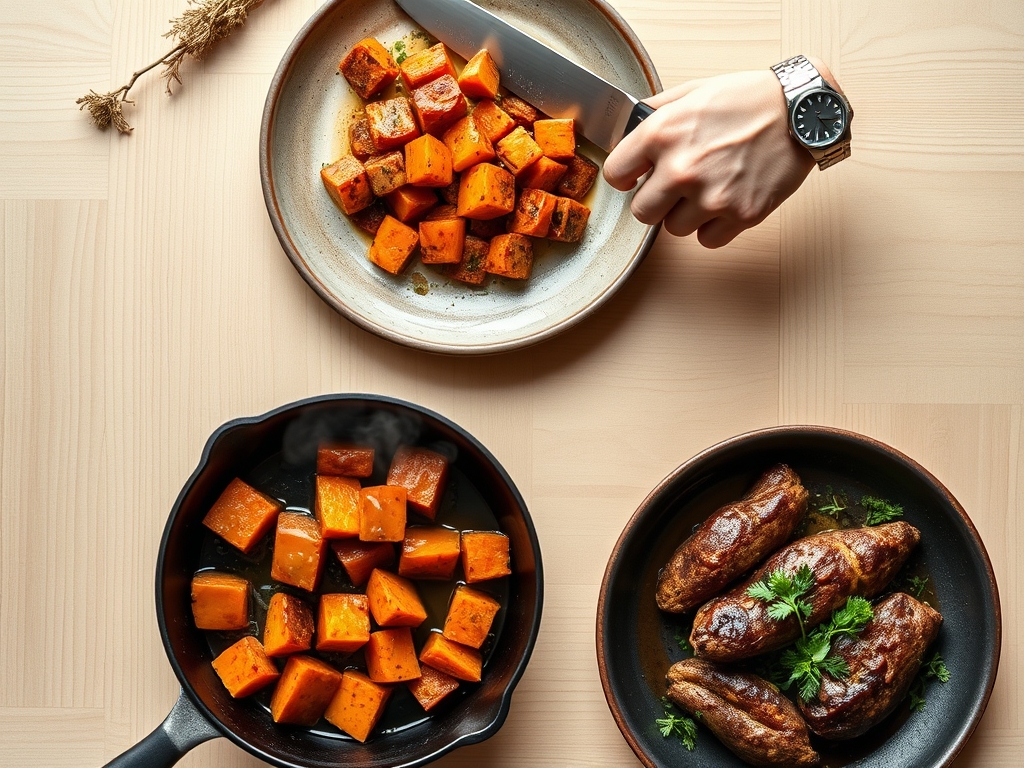
Using a sharp chef knife or a sturdy bench scraper, dice your sweet potatoes into 1-inch cubes. The surface area is your best friend here. More surface area means more room for the syrup to adhere and caramelize.
Pro Tip: This is the stage of enzymatic browning. By keeping the potatoes in a bowl of cold water after cutting, you prevent oxidation and rinse away excess surface starch, which leads to a crispier exterior rather than a gummy one.
2. The Initial Par-Roast
Toss the cubes in a neutral oil with a high smoke point. Spread them in a single layer on a heavy-rimmed baking sheet. Avoid crowding the pan at all costs. If the potatoes are too close, they will steam instead of roast, ruining your chances of a crisp finish.
Pro Tip: This stage utilizes thermal carryover. We pull the potatoes when they are just fork-tender but not falling apart. They will continue to cook internally as we prepare the glaze, ensuring the center remains creamy.
3. The Syrup Reduction
In a small saucier over medium heat, combine your syrup, butter, and aromatics. Whisk constantly as the mixture begins to bubble. You are looking for a state of viscous suspension, where the butter and syrup have emulsified into a thick, golden liquid that coats the back of a spoon.
Pro Tip: The science here is simple evaporation. By reducing the water content in the syrup before it hits the pan, you prevent the potatoes from becoming soggy. You are essentially creating a concentrated sugar solution that will flash-caramelize in the oven.
4. The Lacquer Application
Pour the warm syrup mixture over the par-roasted potatoes. Use a pair of silicone-tipped tongs to gently toss each cube, ensuring every millimeter is coated. Return the tray to the upper rack of the oven, which is typically the hottest zone.
Pro Tip: This is where the Maillard reaction takes center stage. The amino acids in the potato react with the sugars in the syrup to create hundreds of new flavor compounds. Watch for the edges to turn a deep, mahogany brown.
5. The Final Infusion
During the last five minutes of roasting, add your fresh herbs or a final sprinkle of flaky salt. This prevents the delicate oils in the herbs from scorching while allowing their aroma to infuse into the sticky glaze.
Pro Tip: Adding salt at the very end prevents it from drawing out moisture too early in the process. This keeps the interior of the potato hydrated while the exterior remains taut and shiny.
The Deep Dive
Macro Nutrition: Sweet potatoes are nutritional powerhouses, loaded with Vitamin A (beta-carotene) and fiber. While the syrup adds carbohydrates, the fiber in the potato helps mitigate the blood sugar spike. A standard serving contains roughly 220 calories, with a healthy dose of potassium to balance the sodium.
Dietary Swaps: To make this Keto-friendly, swap the maple syrup for a monk-fruit-based maple alternative and use extra pecans for crunch. For a Vegan version, use a high-quality vegan butter or avocado oil. This recipe is naturally Gluten-Free, provided your spices are certified.
The Fix-It:
- Too Runny: If your glaze is watery, the potatoes likely released too much steam. Fix this by transferring the liquid to a pan and reducing it on the stovetop until thick, then re-tossing.
- Burnt Edges: If the sugar burns before the potato is soft, your oven is too hot. Lower the temp by 25 degrees and tent the tray with foil to trap steam.
- Bland Flavor: Usually a lack of acidity. A tiny splash of white balsamic vinegar can brighten the entire dish instantly.
Meal Prep: To reheat and maintain "day-one" quality, avoid the microwave. The microwave agitates water molecules, making the syrup sticky and the potato mushy. Instead, use an air fryer at 350 degrees for 4 minutes or a toaster oven to re-crystallize the sugar coating.
The Wrap-Up
There you have it; the definitive guide to elevating a simple root vegetable into a culinary event. By understanding the chemistry of sugar reduction and the importance of surface area, you have moved beyond simple cooking into the realm of food science. These sweet potato recipes with syrup are guaranteed to be the star of your next dinner party or a cozy weeknight meal. Remember, the secret is all in the glaze. Now, go forth and caramelize with confidence!
The Kitchen Table
How do I prevent the syrup from burning?
Ensure you add the syrup during the final third of the roasting process. High sugar content burns quickly; by par-roasting the potatoes first, you limit the syrup's exposure to intense heat while still achieving a deep, caramelized finish.
What is the best potato variety for syrupy glazes?
Jewel or Beauregard sweet potatoes are ideal due to their high moisture and natural sugar content. They soften beautifully into a creamy texture that contrasts perfectly against a hardened, tacky syrup glaze compared to drier, starchy varieties like Japanese sweets.
Can I make this dish ahead of time?
Yes, you can par-roast the potatoes up to 24 hours in advance. Store them in the fridge, then apply the fresh syrup glaze and perform the final roast right before serving to ensure the texture remains crisp and the glaze stays glossy.
Why are my sweet potatoes mushy instead of crisp?
Mushiness usually results from overcrowding the pan or low heat. When potatoes are too close, they release steam, which softens the exterior. Use a large baking sheet and ensure at least half an inch of space between each cube for airflow.