
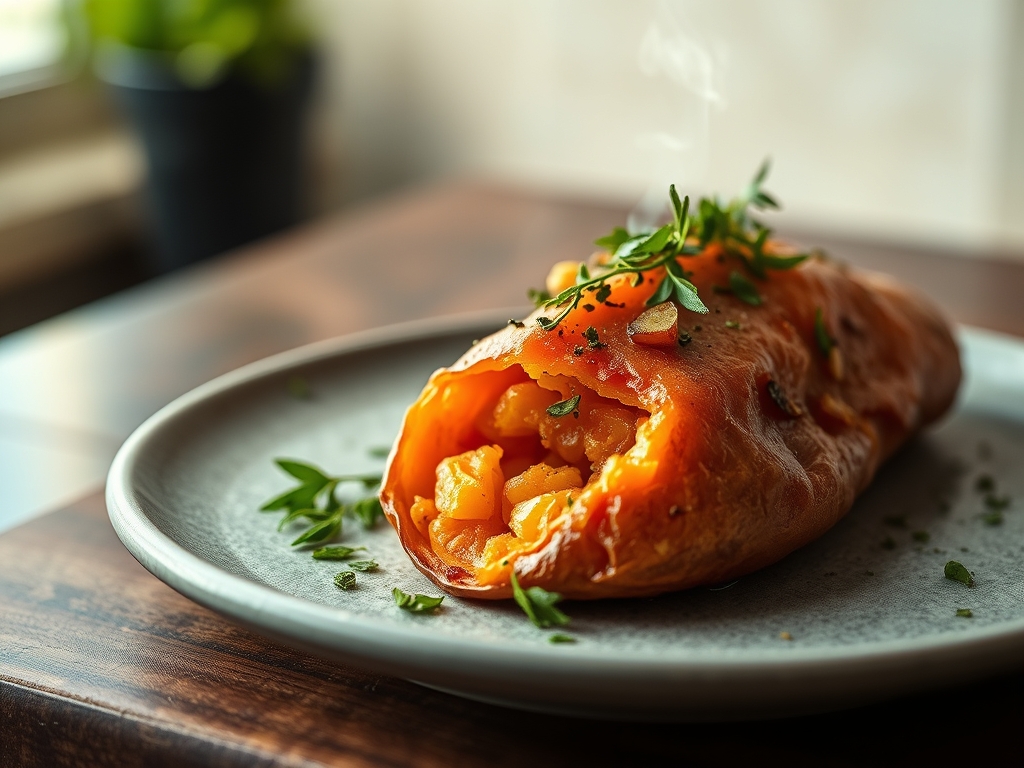
Imagine the scent of caramelized fructose and earthy musk filling your kitchen in under ten minutes. We are moving past the days of waiting an hour for a tuber to soften in a cold oven. When you need sweet potato recipes easy fast, you are looking for that perfect intersection of cellular breakdown and the Maillard reaction without the grueling wait times. These spuds are nutritional powerhouses packed with beta-carotene; however, their dense starch structure usually requires significant thermal energy to transform into that velvety, custard-like texture we crave. By utilizing high-surface-area cuts and strategic moisture management, we can bypass the traditional clock. Whether you are a corporate athlete or a busy parent, mastering these hacks means you can pivot from a raw, fibrous root to a gourmet, piquant meal before your coffee even finishes brewing.
The Gathers:
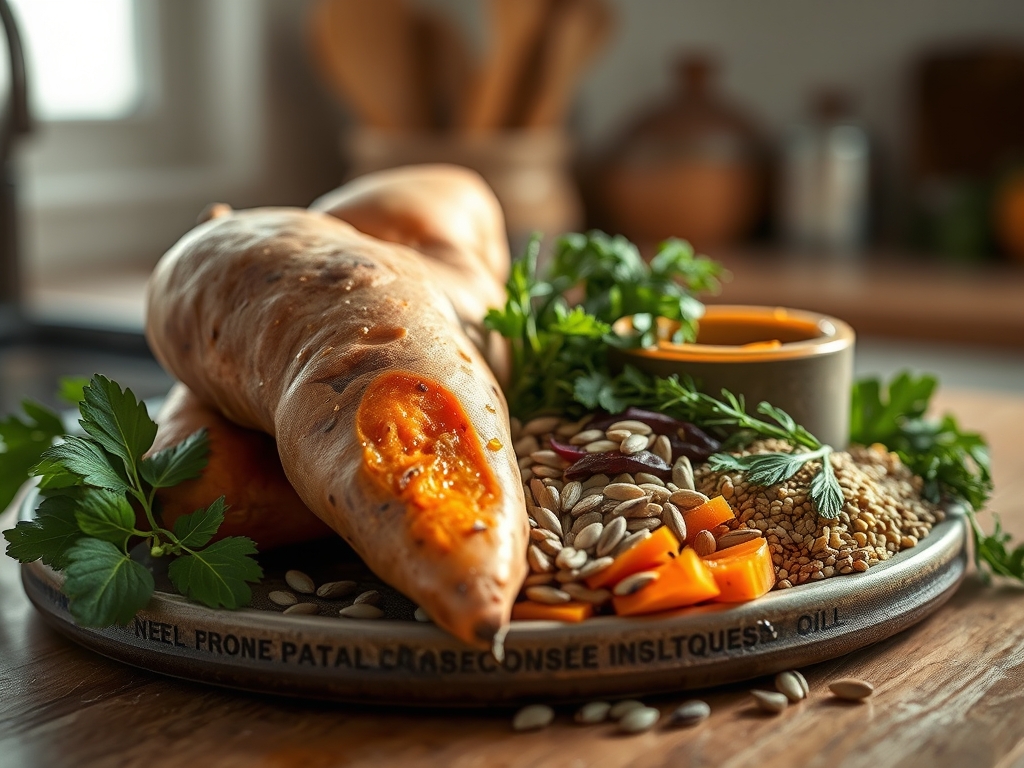
To execute these hacks with precision, your mise-en-place must be intentional. Start with firm, jewel-toned Garnet or Beauregard potatoes. Use a digital scale to ensure uniform sizing, which guarantees even heat distribution. You will need a high-smoke-point fat like avocado oil or clarified butter to facilitate heat transfer without acrid scorching. Reach for your microplane to zest citrus or grate aromatics like ginger; this increases the surface area for flavor infusion.
Smart Substitutions: If you lack fresh tubers, high-quality canned puree works for rapid sauces, provided you reduce it in a saucier to drive off excess moisture. Swap maple syrup for agave to alter the glycemic load, or use coconut aminos instead of soy for a gluten-free umami punch. Always keep a bench scraper nearby to clear your station; efficiency is the secret ingredient in any fast-paced kitchen.
The Clock:
The "Chef's Flow" is about overlapping tasks to eliminate dead time. While your heavy-bottomed skillet preheats, you should be slicing. Total prep for these hacks ranges from three to seven minutes, with cook times capped at twelve minutes. We leverage "active recovery" periods; while the potatoes sear, you whisk your dressing or prep your protein. By the time the internal temperature of the potato reaches 205 degrees Fahrenheit (the sweet spot for starch gelatinization), your garnishes are ready. This synchronized workflow ensures that no component sits long enough to lose its structural integrity or thermal vibrancy.
The Masterclass:
1. The Microwave Steam-Sear Hybrid
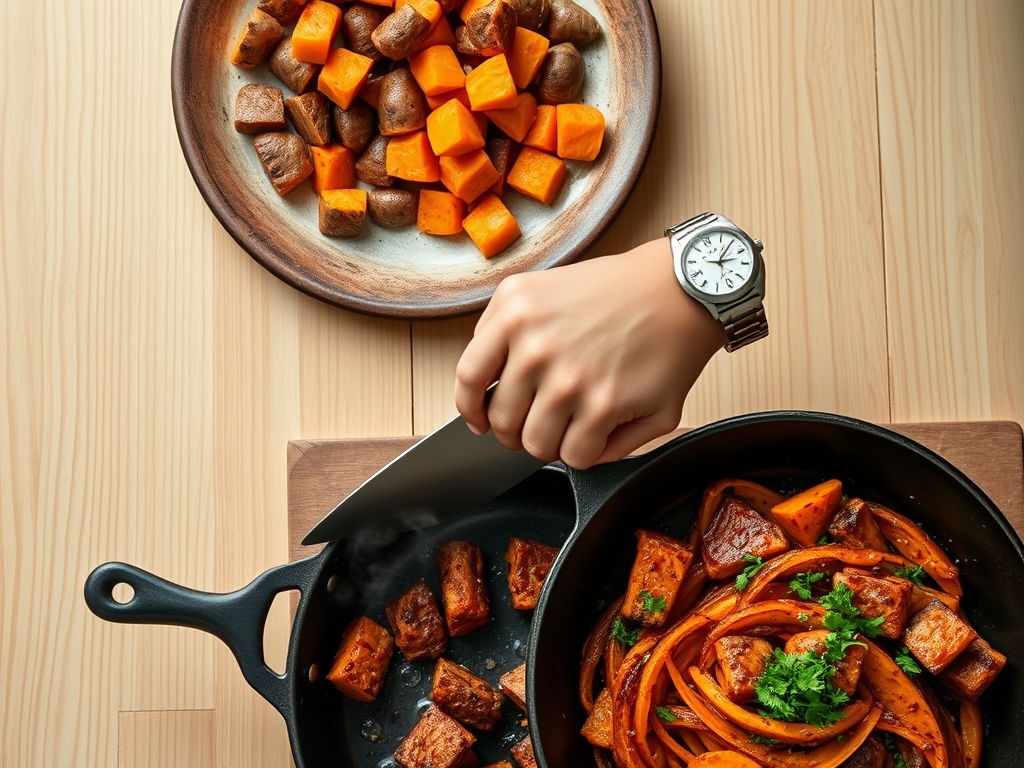
Prick the skin with a fork to allow steam to escape, preventing a pressurized "tuber explosion." Microwave on high for four minutes, then immediately halve and sear the flesh side in a hot pan with butter.
Pro Tip: This utilizes thermal carryover. The microwave vibrates water molecules to cook the interior, while the pan finish initiates the Maillard reaction for a complex, toasted flavor profile.
2. The Mandoline Ribbon Flash-Fry
Use a mandoline to create paper-thin ribbons. Toss them into a skillet with a shimmer of oil for ninety seconds. They will wilt and crisp simultaneously, creating a textural contrast.
Pro Tip: Thin slicing destroys the rigid cell walls quickly, allowing for rapid starch gelatinization at lower temperatures than whole roasting requires.
3. The Grated Hash Quick-Base
Grate the raw potato using the large holes of a box grater. Squeeze the shreds in a clean kitchen towel to remove excess water before hitting the pan.
Pro Tip: Removing moisture prevents steaming. This allows the sugars to caramelize directly against the metal surface, creating a crispy, golden crust rather than a soggy pile.
4. The "Hasselback" Speed-Cut
Place the potato between two wooden spoons and slice thin slits. The spoons prevent you from cutting all the way through. Microwave for five minutes, then drizzle with fat.
Pro Tip: This increases the exposed surface area, allowing heat to penetrate the core via convection rather than just slow conduction through the dense center.
5. The Saucier Puree Emulsion
Dice potatoes into half-inch cubes and boil in salted water for six minutes. Drain and whisk vigorously with cold butter and a splash of pasta water in a saucier.
Pro Tip: Whisking introduces air to aerate the mixture, while the cold butter creates a stable emulsion with the released starches for a silky mouthfeel.
6. The Frozen Cube Air-Fryer Blast
Keep a bag of pre-cubed, blanched sweet potatoes in the freezer. Toss them directly into an air fryer at 400 degrees Fahrenheit for ten minutes.
Pro Tip: The extreme temperature gradient causes the exterior moisture to evaporate instantly, creating a "shatter-crisp" shell while the inside remains moist.
7. The Microplane Ginger-Zest Infusion
Grate raw sweet potato directly into a simmering broth or curry. It dissolves almost instantly, thickening the liquid.
Pro Tip: This uses the potato as a natural thickener. The released amylopectin molecules bond with the liquid, creating a viscous and hearty consistency without flour.
8. The Toaster Slice Transformation
Cut half-inch "planks" from the center of a large potato. Run them through a standard toaster on the highest setting twice.
Pro Tip: The direct radiant heat mimics a broiler. It renders the internal sugars into a jammy consistency while the outside stays firm enough to hold avocado or nut butter.
9. The Deglazed Skillet Medley
Sauté small dice with onions. Once a brown crust forms on the pan, add a splash of apple cider vinegar or stock to deglaze.
Pro Tip: Deglazing lifts the fond (the flavorful browned bits) off the pan and coats the potatoes, intensifying the piquant and savory notes of the dish.
The Deep Dive:
Sweet potatoes are a nutritional goldmine, offering high fiber and Vitamin A. A medium potato contains roughly 100 calories and 23 grams of complex carbohydrates. For those following Vegan diets, replace butter with miso-tahini for a savory fat source. Keto followers should limit portions to small "flavor accents," while GF diners can rejoice as this root is naturally gluten-free.
The Fix-It:
- Soggy Texture: You likely overcrowded the pan. Cook in batches to allow steam to escape.
- Bitter Char: Your heat was too high for the sugar content. Reduce heat and add a fat with a higher smoke point.
- Hard Centers: The pieces were uneven. Use your digital scale and a sharp knife for uniform geometry.
Meal Prep Science: To reheat and maintain "day-one" quality, avoid the microwave. Use a toaster oven or a dry skillet. This removes the moisture that migrated to the surface during refrigeration, re-crisping the exterior while gently warming the interior.
The Wrap-Up:
Mastering sweet potato recipes easy fast is about understanding the physics of heat and the chemistry of starch. By manipulating surface area and controlling moisture, you turn a humble root into a rapid-fire culinary masterpiece. Don't be afraid to experiment with bold aromatics and professional tools like the saucier or microplane. Your weeknight dinners just got a serious upgrade in both speed and sophistication.
The Kitchen Table:
How do I stop sweet potatoes from getting soggy?
Always pat the potatoes dry after cutting. Moisture is the enemy of the Maillard reaction. Use a wide, heavy-bottomed skillet to prevent overcrowding, which allows steam to escape rather than softening the exterior of the spuds.
Can I eat the skin of a sweet potato?
Yes, the skin is edible and contains significant fiber and potassium. Just ensure you scrub the exterior thoroughly with a vegetable brush to remove grit. Searing the skin in oil makes it delightfully crisp and savory.
What is the fastest way to soften a sweet potato?
The microwave is the fastest method. Prick the skin and heat on high for 5 to 7 minutes. For better flavor, finish it in a hot pan for two minutes to develop a caramelized, toasted exterior.
Why are my roasted sweet potatoes bitter?
Bitterness usually occurs when the natural sugars burn rather than caramelize. This happens if the oven is too hot or the oil has a low smoke point. Use avocado oil and keep temperatures around 400 degrees Fahrenheit.