
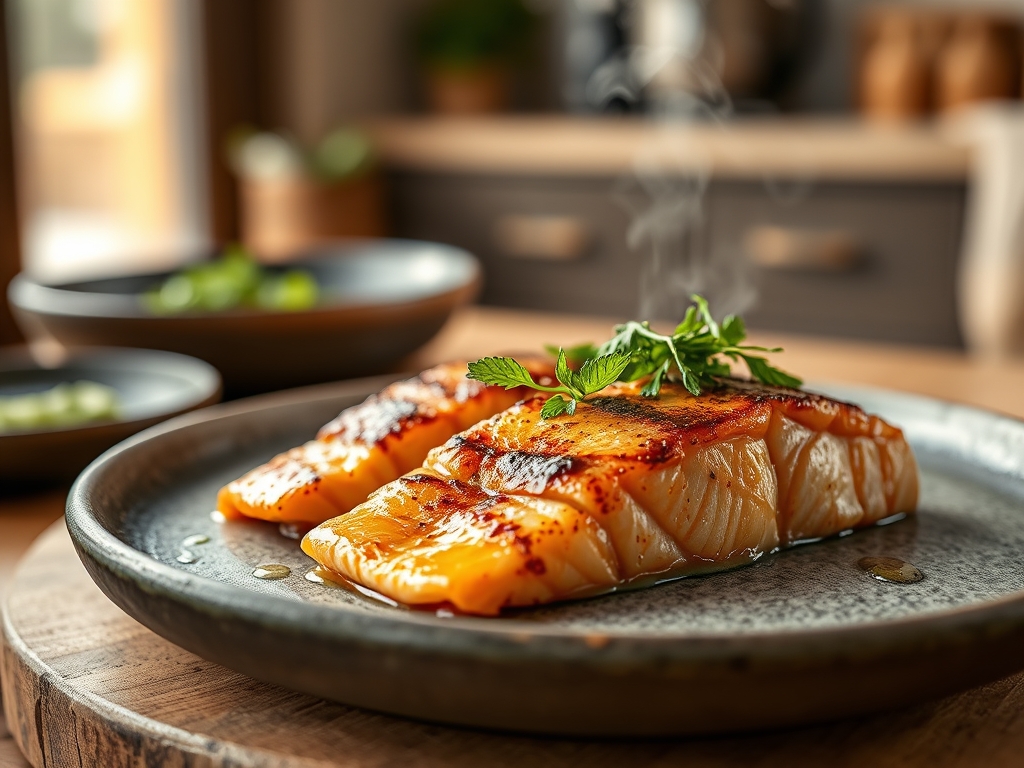
Imagine the sharp, sinus-clearing scent of fresh horseradish colliding with the rich, buttery aroma of rendering fish fat. That is the magic of wasabi salmon recipes. It is a sensory high-wire act where the piquant heat of the brassica family meets the luscious omega-3 profile of a perfectly seared fillet. We are not just cooking dinner; we are engineering a texture profile that shatters under the fork to reveal a translucent, medium-rare center.
The secret lies in the crust. When you apply a wasabi-infused coating to salmon, you are creating a thermal shield that protects the delicate proteins from seizing while the exterior undergoes a rapid Maillard reaction. This is the ultimate "smart-girl" dinner. It is sophisticated enough for a gallery opening but fast enough for a Tuesday night when your brain is fried from back-to-back Zoom calls. Grab your apron and your favorite heavy-bottomed skillet; we are about to turn a simple piece of fish into a culinary masterpiece that would make a Michelin inspector weep with joy.
The Gathers:
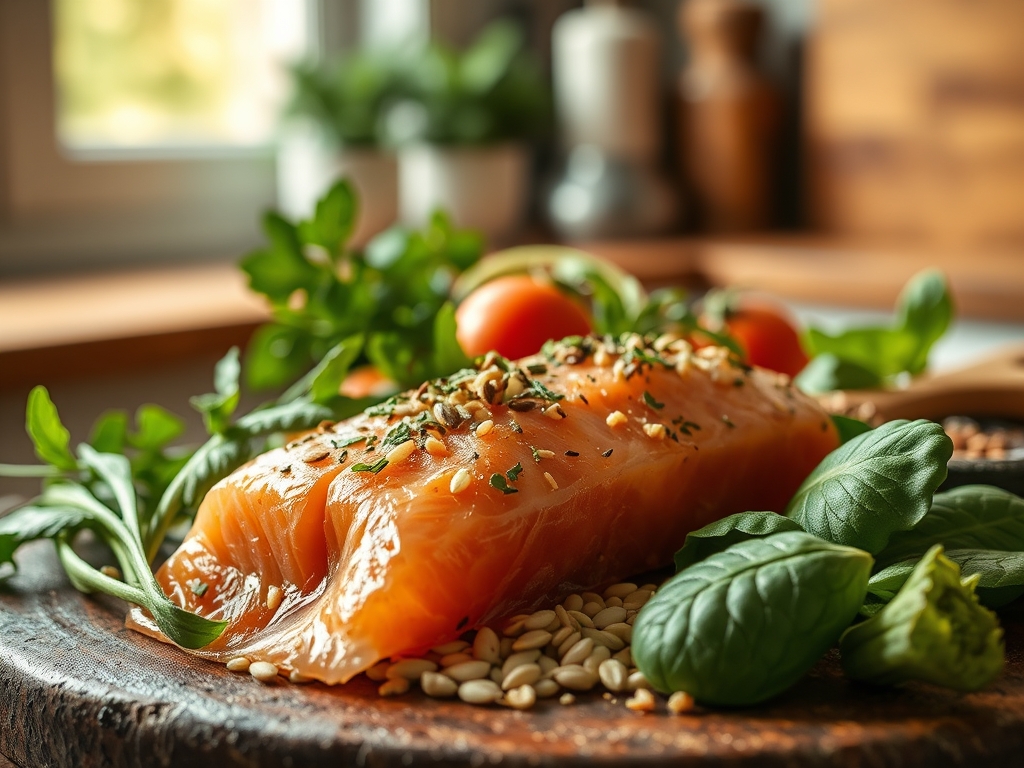
To execute these wasabi salmon recipes with precision, your mise-en-place must be flawless. Start with 6-ounce center-cut Atlantic or King salmon fillets. You want height, not width, to ensure the center remains succulent while the crust develops. You will need high-quality wasabi paste or freshly grated rhizome if you can find it. Avoid the "wasabi" powder that is mostly dyed horseradish; look for "Hon Wasabi" for a more complex, floral heat.
For the structural integrity of the crust, gather panko breadcrumbs, black sesame seeds, and a viscous binder like Kewpie mayo or Dijon mustard. The fat in the mayonnaise acts as an emulsifier, helping the crust adhere while providing a barrier against moisture loss. You will also need a microplane for zesting limes and a digital scale to ensure your ratios are consistent.
Smart Substitutions: If you are dodging gluten, crushed pork rinds or almond flour provide an excellent crunch without the wheat. For a vegan-adjacent swap on the binder, use a thick coconut cream reduced by half. If the heat of wasabi is too aggressive for your palate, cut it with honey or maple syrup to create a gastrique-style glaze that balances the piquant notes with sweetness.
The Clock: 25 Minutes to Perfection
The "Chef's Flow" is all about overlapping tasks to minimize dead time. You are looking at 10 minutes of active prep and 12 to 15 minutes of thermal application. While your oven preheats to 425 degrees Fahrenheit, you should be patting your fish dry. Moisture is the enemy of the sear. If the skin is damp, the steam will prevent the skin from crisping, resulting in a rubbery texture.
Spend the first 5 minutes preparing your "crust slurry." The final 5 minutes of the process are reserved for resting. This is non-negotiable. Resting allows the internal temperature to equalize via thermal carryover, ensuring the juices redistribute into the muscle fibers rather than spilling out onto your plate.
The Masterclass:
1. The Desiccation Phase
Use a paper towel to press firmly onto the surface of the salmon. You want the flesh to feel tacky, not slippery. A dry surface allows the binder to create a superior mechanical bond.
Pro Tip: This is about surface tension. Removing water prevents the formation of a steam barrier, allowing the heat to directly interact with the proteins for a faster sear.
2. The Emulsion Application
Using a small saucier or mixing bowl, combine your wasabi, mayo, and lime zest. Spread a thin, even layer over the top of the fillet using an offset spatula. Do not coat the bottom; we want the skin to remain in direct contact with the pan.
Pro Tip: The lipids in the mayo act as a heat conductor, distributing the wasabi's volatile oils evenly across the surface without burning the delicate spice.
3. The Crust Compression
Press your panko and sesame mixture firmly into the wasabi binder. Use the flat side of a bench scraper to ensure the crumbs are packed tightly. This creates an insulating layer.
Pro Tip: This layer creates a thermal buffer. It allows the exterior to reach high temperatures for crunch while the interior stays below 125 degrees Fahrenheit.
4. The Initial Sear
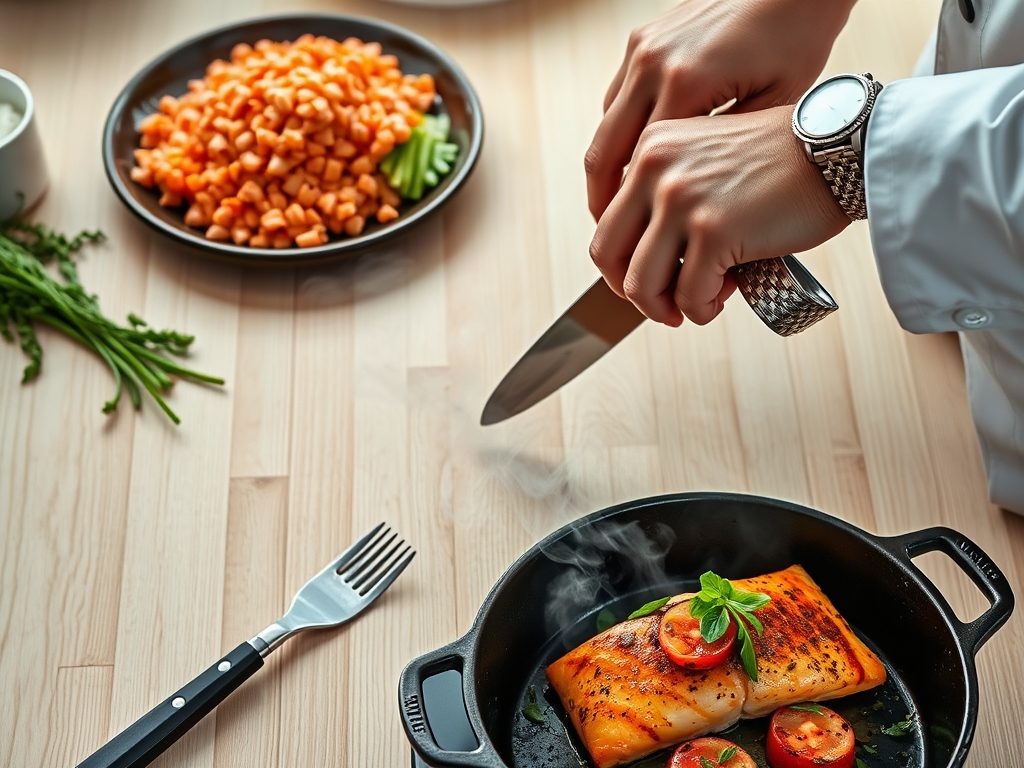
Heat a heavy-bottomed skillet with a high-smoke-point oil like avocado oil. Place the salmon skin-side down. Use tongs to press the fish down for the first 30 seconds to prevent the skin from curling as the collagen contracts.
Pro Tip: This is collagen denaturation. Applying pressure ensures maximum surface contact, leading to that coveted "glass-like" crispy skin.
5. The Oven Transition
Transfer the entire skillet into the preheated oven. This provides ambient heat that will cook the top of the fish while the residual heat from the pan continues to crisp the bottom.
Pro Tip: This is convection cooking. The moving air in the oven dehydrates the panko further, intensifying the crunch through a secondary Maillard reaction.
6. The Internal Temp Check
Use a digital probe thermometer to pull the salmon when it hits 120 degrees Fahrenheit. The temperature will rise another 5 degrees while resting.
Pro Tip: This accounts for thermal carryover. If you wait until it is 130 degrees in the oven, it will be overcooked and chalky by the time you eat.
7. The Deglaze and Finish
Remove the fish to a warm plate. Add a splash of mirin or sake to the hot pan to loosen any browned bits. Drizzle this over the plate for an extra hit of umami.
Pro Tip: Deglazing captures the fond (the stuck-on bits), which contains highly concentrated flavor compounds created during the searing process.
8. The Final Rest
Let the fish sit for 3 to 5 minutes. This is the hardest part, but it is essential for a succulent result.
Pro Tip: Resting allows the viscosity of the internal juices to increase as they cool slightly, preventing them from leaking out when you break the crust.
The Deep Dive:
From a macro perspective, wasabi salmon recipes are a nutritional powerhouse. A standard serving provides roughly 35g of high-quality protein and 12g of healthy fats. If you are following a Keto protocol, simply swap the panko for crushed macadamia nuts. For a Vegan alternative, this crust works beautifully on "steaks" of roasted cauliflower or firm tofu, though you will need to adjust the cooking time.
The Fix-It:
- The Crust Falls Off: Your fish was too wet. Next time, salt the fish 10 minutes early to draw out moisture, then pat dry.
- The Wasabi is Too Weak: Wasabi loses its "punch" when exposed to high heat for too long. Fold a little fresh paste into your finishing sauce to restore the zing.
- The Skin is Soggy: You likely crowded the pan. Use a larger skillet or cook in batches to ensure the steam can escape.
Meal Prep: To reheat, avoid the microwave at all costs. It will turn your salmon into a rubber eraser. Instead, use an air fryer at 300 degrees Fahrenheit for 4 minutes. This reactivates the fats in the crust, restoring the "day-one" crunch.
The Wrap-Up:
You are now officially a master of the wasabi salmon arts. We have covered the molecular necessity of a dry surface, the physics of thermal carryover, and the chemistry of a perfect emulsion binder. This dish is the intersection of high-concept flavor and practical kitchen science. It is bold, it is spicy, and it is guaranteed to be the star of your recipe rotation. Now, go forth and sear with confidence!
The Kitchen Table:
Can I use frozen salmon for these recipes?
Yes, but you must thaw it completely in the refrigerator and pat it extremely dry. Frozen fish often releases more albumin (the white protein), so a thorough drying process is vital for a successful crust.
What if I do not have a cast iron skillet?
Any oven-safe stainless steel or carbon steel pan will work. Avoid non-stick pans at high temperatures, as they do not produce the same level of Maillard browning and the coatings can degrade in the oven.
Is wasabi paste the same as fresh wasabi?
Most commercial pastes are a blend of horseradish, mustard, and green dye. Fresh wasabi is milder and more floral. If using real wasabi, use 50% more than the recipe calls for to achieve the same heat level.
How do I prevent the white gunk from appearing?
That "gunk" is albumin. It appears when salmon is cooked too fast or too hot, forcing the protein to the surface. Cooking to a lower internal temperature and resting the fish helps minimize this.