
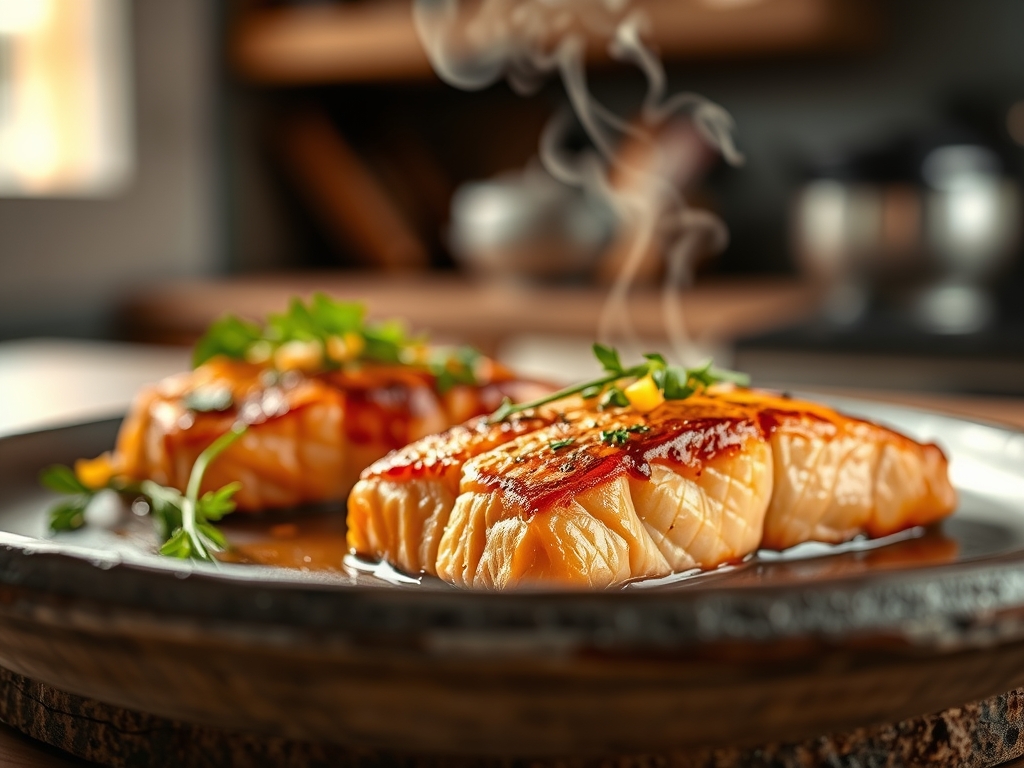
Imagine a slab of marbled, coral-hued protein so rich it practically sighs under the weight of a fork. That is the majesty of the Chinook. When you hunt for the best king salmon recipes oven methods, you are not just cooking dinner; you are managing a delicate thermodynamic transaction. King salmon is the undisputed royalty of the Pacific, boasting a fat content that dwarfs its Atlantic cousins. This high lipid density means the margin for error is slim. One minute too long and those precious Omega-3s transform from a buttery silk into a chalky disappointment. We are aiming for that translucent, medium-rare center where the connective tissue has just begun to melt into a viscous glaze. This guide is your technical roadmap to achieving a crust so crisp it crackles, protecting a center that dissolves on the tongue. We will leverage thermal conductivity and moisture retention to ensure your kitchen smells like a five-star bistro rather than a fish market. Grab your apron; we are about to turn heat into art.
The Gathers:
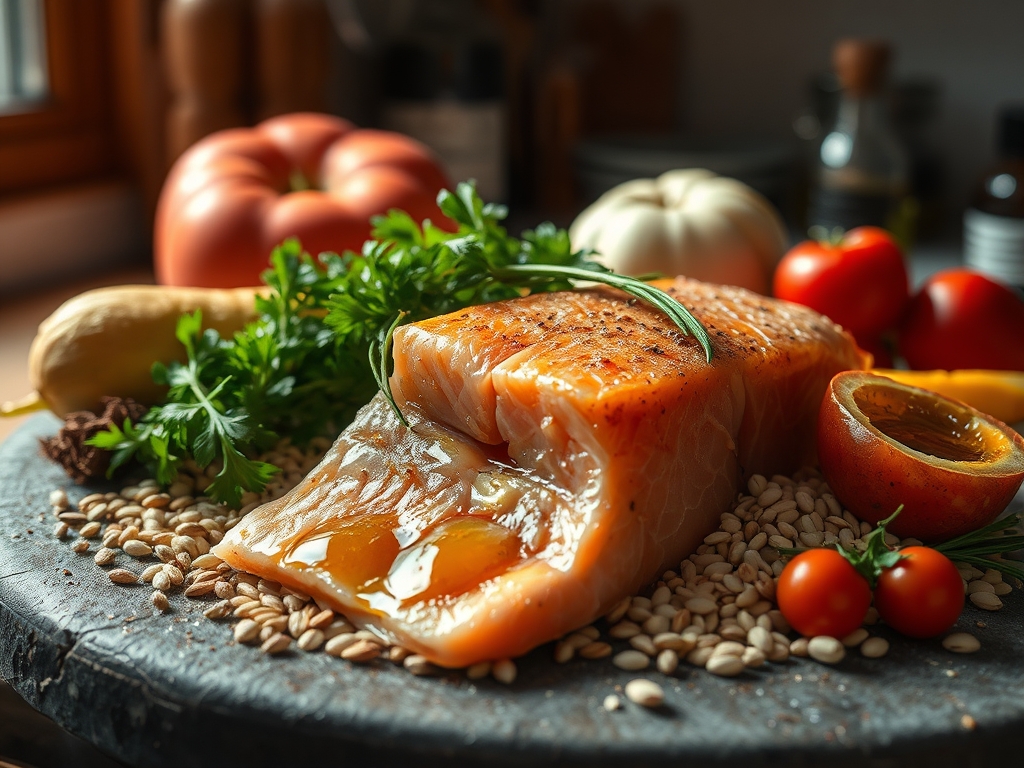
To execute this masterclass, your mise-en-place must be precise. Start with a center-cut King Salmon fillet, ideally two pounds, which offers a uniform thickness for even heat distribution. You will need high-quality fats; look for grass-fed butter or a high-smoke-point avocado oil to facilitate the Maillard reaction without scorching. The aromatics are non-negotiable. Gather fresh dill, Meyer lemons for their lower acidity and floral notes, and cloves of garlic that you will crush to release their essential oils.
The Tool Kit:
Pull out your heavy-bottomed skillet or a rimmed baking sheet lined with parchment paper. You will also need a microplane for zesting, a digital scale to ensure portion accuracy, and a saucier if you plan to whip up a brown butter emulsion on the side.
Smart Substitutions:
If King Salmon is out of season, Copper River Sockeye is a worthy, albeit leaner, substitute. For a dairy-free profile, swap butter for a viscous ghee or a refined coconut oil. If you lack Meyer lemons, a mix of standard lemon juice and a pinch of tangerine zest mimics that piquant, rounded sweetness perfectly.
The Clock
Efficiency in the kitchen is about "Chef's Flow," the art of overlapping tasks so no heat is wasted. Your total active prep time is exactly 12 minutes. The salmon requires a 15-minute temper on the counter to lose its refrigerator chill; this prevents the exterior from overcooking while the center remains icy. The actual roasting time fluctuates between 10 and 14 minutes depending on the thickness of the fillet. Finally, a mandatory 5-minute rest period allows for thermal carryover, where the internal temperature rises by about five degrees off the heat. Total time from fridge to fork is roughly 35 minutes.
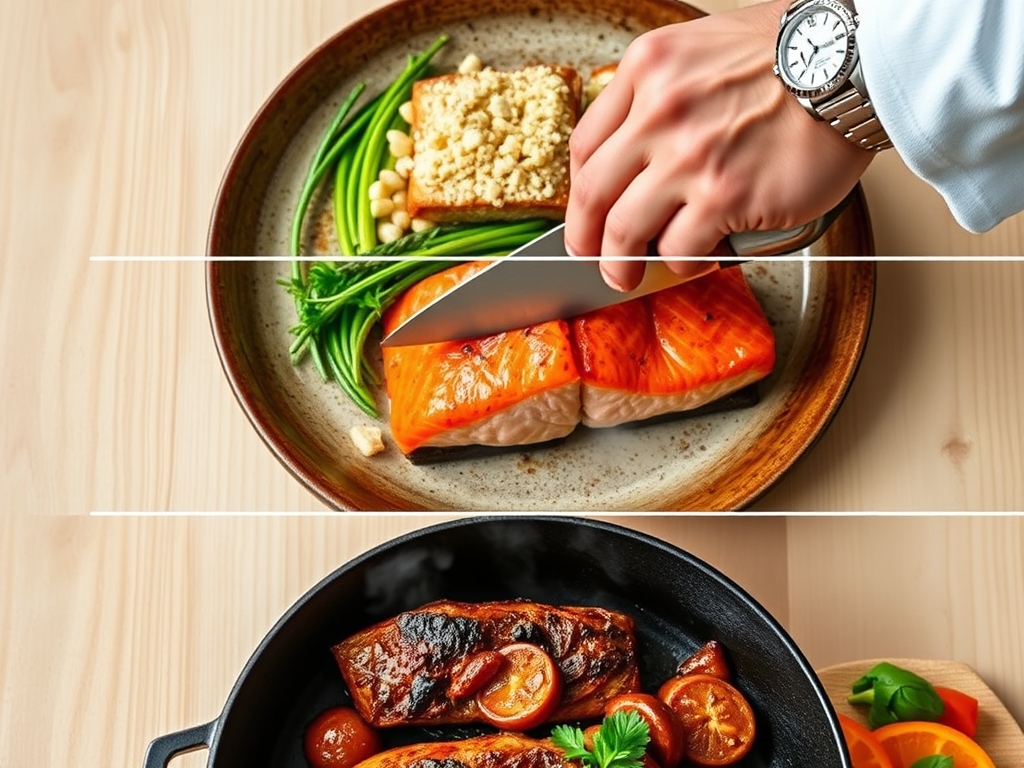
The Masterclass
1. The Temper and Pat-Dry
Remove your salmon from the packaging and pat it aggressively dry with paper towels. Moisture is the enemy of a good sear; any surface water will turn to steam, preventing the skin from crisping. Let it sit at room temperature.
Pro Tip: This stage utilizes evaporative cooling. By drying the surface, you ensure the oven's energy goes toward browning the proteins rather than boiling surface moisture.
2. The Acidic Infusion
Zest your Meyer lemon using a microplane directly over the flesh. Massage a blend of kosher salt and cracked black pepper into the fillet. The salt acts as a dry brine, denaturing the surface proteins to lock in juices.
Pro Tip: Salt changes the structure of the muscle fibers, allowing them to hold onto more water during the high-heat interval of king salmon recipes oven techniques.
3. The Fat Barrier
Brush the skin side with avocado oil and the flesh side with melted butter. This creates a dual-purpose barrier. The oil handles the direct contact with the pan, while the butter solids provide flavor and color.
Pro Tip: This is about thermal conductivity. Fat conducts heat more efficiently than air, ensuring the heat penetrates the thickest part of the fillet uniformly.
4. The High-Heat Launch
Preheat your oven to 425 degrees Fahrenheit. If using a heavy-bottomed skillet, heat it on the stovetop first until the oil shimmers. Place the salmon skin-side down for 60 seconds before transferring the whole pan to the oven.
Pro Tip: This initial contact triggers the Maillard reaction, a chemical reaction between amino acids and reducing sugars that creates that savory, "browned" flavor profile.
5. The Aromatics Addition
Halfway through the bake, toss your crushed garlic and dill sprigs into the pan. Use a spoon to infuse the rendered fats back over the top of the fish.
Pro Tip: Fat is a solvent for flavor. By basting the fish in garlic-infused oil, you are deep-loading the flavor molecules into the fat layers of the salmon.
6. The Precision Pull
Use a digital thermometer to check the thickest part of the fish. Pull the salmon when it hits 125 degrees Fahrenheit for a perfect medium-rare.
Pro Tip: Thermal carryover is real. The internal temperature will continue to rise after removal. Pulling at 125 ensures you land at the "sweet spot" of 130 degrees.
7. The Rest Period
Transfer the salmon to a warm plate or use a bench scraper to move it to a cutting board. Tent loosely with foil, but do not seal it, as you want to avoid trapping steam that softens the skin.
Pro Tip: Resting allows the muscle fibers to relax and reabsorb the internal juices, preventing the "bleed" of moisture when you finally slice in.
8. The Bright Finish
Squeeze the remaining lemon juice over the fish and add a final sprinkle of flaky sea salt. The acid cuts through the heavy lipids of the king salmon.
Pro Tip: Acid balances the palate. It acts as a chemical "reset" for your taste buds, making every bite of the rich fish feel as fresh as the first.
9. The Presentation
Use tongs to plate the salmon alongside roasted asparagus or a light quinoa salad. Garnish with fresh dill to provide a visual and aromatic pop.
Pro Tip: We eat with our eyes first. The contrast between the charred skin and the vibrant pink flesh signals a successful execution of high-heat roasting.
The Deep Dive
Macro Nutrition:
King Salmon is a nutritional powerhouse. A 6-ounce portion provides roughly 34g of protein and 22g of healthy fats, including a massive dose of Vitamin B12 and Selenium. It is naturally low in sodium and carbohydrate-free.
Dietary Swaps:
This recipe is inherently Keto and Gluten-Free. For a Vegan alternative, use this same roasting method on thick slabs of "Lion's Mane" mushrooms, which mimic the meaty texture, using a seaweed-infused oil to replicate the oceanic brine.
The Fix-It:
- White Stuff Appearing: This is albumin, a protein that pushes out when fish cooks too fast. Fix: Lower your oven temp by 25 degrees next time or pull the fish sooner.
- Soggy Skin: The pan wasn't hot enough or the fish was too wet. Fix: Use a blowtorch for 10 seconds to crisp the skin post-bake.
- Sticking to Pan: You tried to flip it too early. Fix: Let the fish "self-release" once the proteins have fully caramelized.
Meal Prep & Reheating:
To maintain "day-one" quality, never microwave salmon. Reheat it in a 275-degree oven with a splash of water and a tight foil cover to create a gentle steam chamber. This prevents the fats from turning rancid.
The Wrap-Up
Mastering king salmon recipes oven style is a rite of passage for any serious home cook. It is a dance of heat, fat, and timing. By respecting the biology of the fish and the physics of your oven, you transform a simple fillet into a decadent masterpiece. Remember: dry the skin, watch the clock, and always, always let it rest. You have got the science; now go make some magic in that kitchen!
The Kitchen Table
How do I know if King Salmon is done without a thermometer?
Press the thickest part of the fillet with your finger. If the flakes begin to separate easily under light pressure, it is ready. The center should still look slightly translucent and "wet" rather than opaque and dry.
Why is King Salmon more expensive than Sockeye?
King Salmon has a significantly higher fat content and a shorter fishing season. Its "buttery" texture is due to the high levels of Omega-3 fatty acids, making it a premium choice for high-heat roasting and gourmet preparations.
Can I bake King Salmon from frozen?
It is not recommended for high-end fillets. Freezing creates ice crystals that rupture cell walls; baking from frozen results in uneven cooking and a mushy texture. For best results, thaw slowly in the refrigerator for twenty-four hours.
What is the best rack position in the oven?
Place your rack in the upper-middle position. This provides a balance of intense radiant heat from the top element for browning and consistent convective heat for cooking the center without burning the bottom of the fish.