
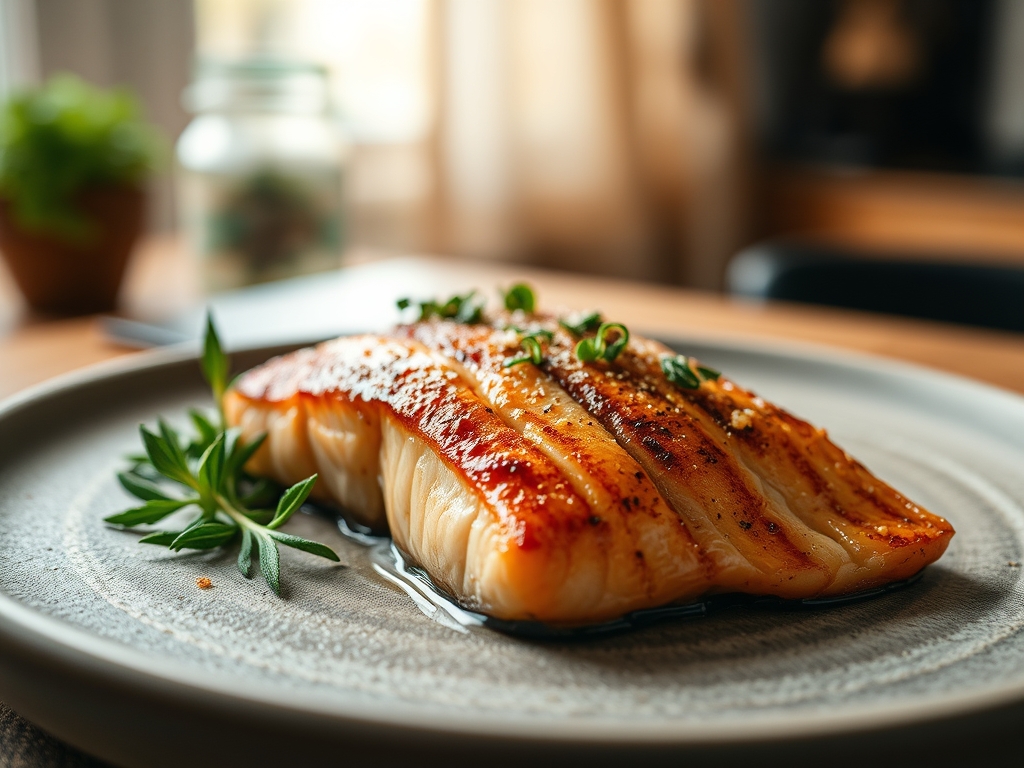
Picture this: a humid summer evening where the air smells of charcoal and salt air. You lift the grill lid to find a side of fish shimmering under a mahogany glaze that looks like liquid stained glass. When we talk about grilled salmon recipes with brown sugar, we are not just talking about dinner; we are discussing a masterclass in the Maillard reaction and the art of the perfect sear. That sticky, caramelized crust is the ultimate culinary high-wire act. It provides a sweet, earthy counterpoint to the fatty, rich flake of the fish.
Salmon is a powerhouse of Omega-3 fatty acids, but its lean muscle fibers are delicate. Without the right protective barrier, the heat of the grill can turn a beautiful fillet into something dry and uninspired. By using brown sugar, we are creating a sacrificial layer. The sugar melts into a viscous syrup that shields the protein while infusing it with deep molasses notes. It is a brilliant bit of chemistry that transforms a simple weeknight meal into a five-star experience. Let us dive into the mechanics of how to make this happen in your own backyard.
The Gathers:
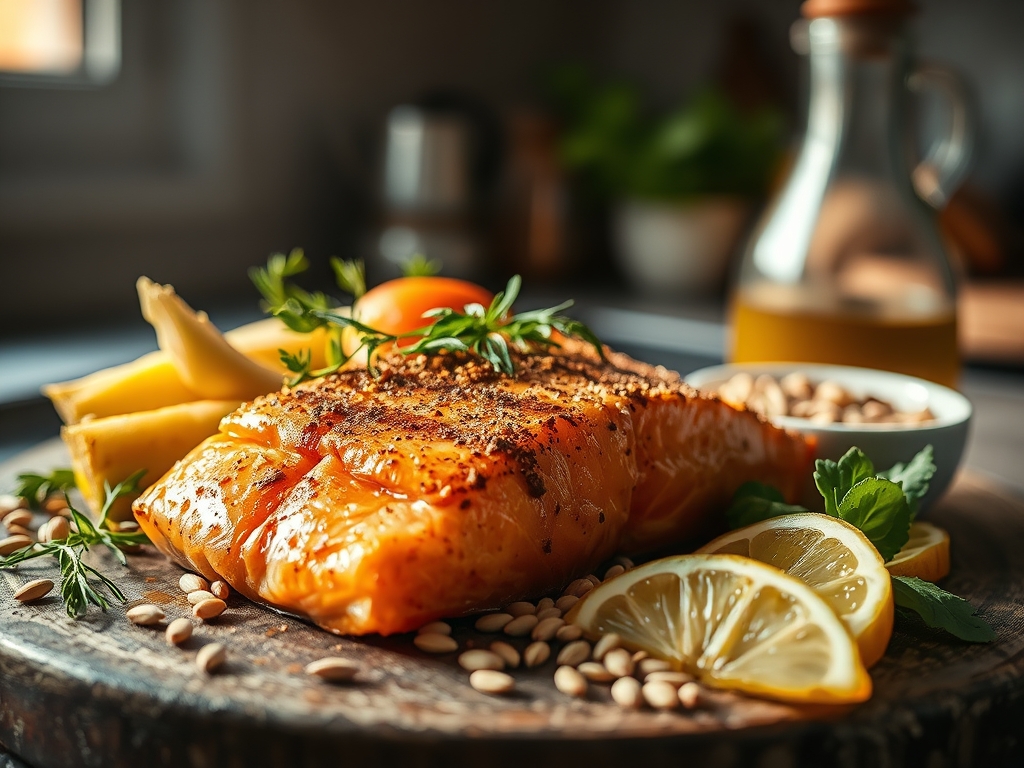
To execute this properly, your mise-en-place must be precise. Start with a high-quality center-cut fillet; look for vibrant color and firm flesh that bounces back when pressed. You will need a digital scale to measure your dry rub ingredients for consistency. The core of this recipe relies on dark brown sugar for its higher molasses content, which provides a more complex flavor profile than light brown sugar. You will also need kosher salt, cracked black pepper, smoked paprika for depth, and a hint of garlic powder.
For the liquid components, gather high-smoke-point oil (like avocado or grapeseed), soy sauce for umami, and a squeeze of fresh lemon juice to provide a piquant brightness. If you want to experiment with Smart Substitutions, try using coconut sugar for a lower glycemic index or maple syrup if you prefer a more floral sweetness. Ensure you have a microplane ready for zesting citrus and a saucier if you plan to reduce any leftover marinade into a thick glaze.
The Clock:
Efficiency in the kitchen is all about the "Chef's Flow." Total active preparation time is approximately 15 minutes, which includes de-boning the fish with tweezers and mixing the rub. You should allow the salmon to sit with the rub for at least 20 minutes; this allows the salt to denature the surface proteins, ensuring the seasoning penetrates deep into the tissue.
The actual cook time is remarkably fast, usually between 8 to 12 minutes depending on the thickness of the cut. However, you must factor in the "rest" period. Resting the fish for 5 minutes after it leaves the heat is non-negotiable. This allows the internal juices to redistribute, preventing them from rushing out the moment you slide your fork in. Total time from fridge to table is roughly 45 minutes.
The Masterclass:
1. Prep and Desiccate the Surface
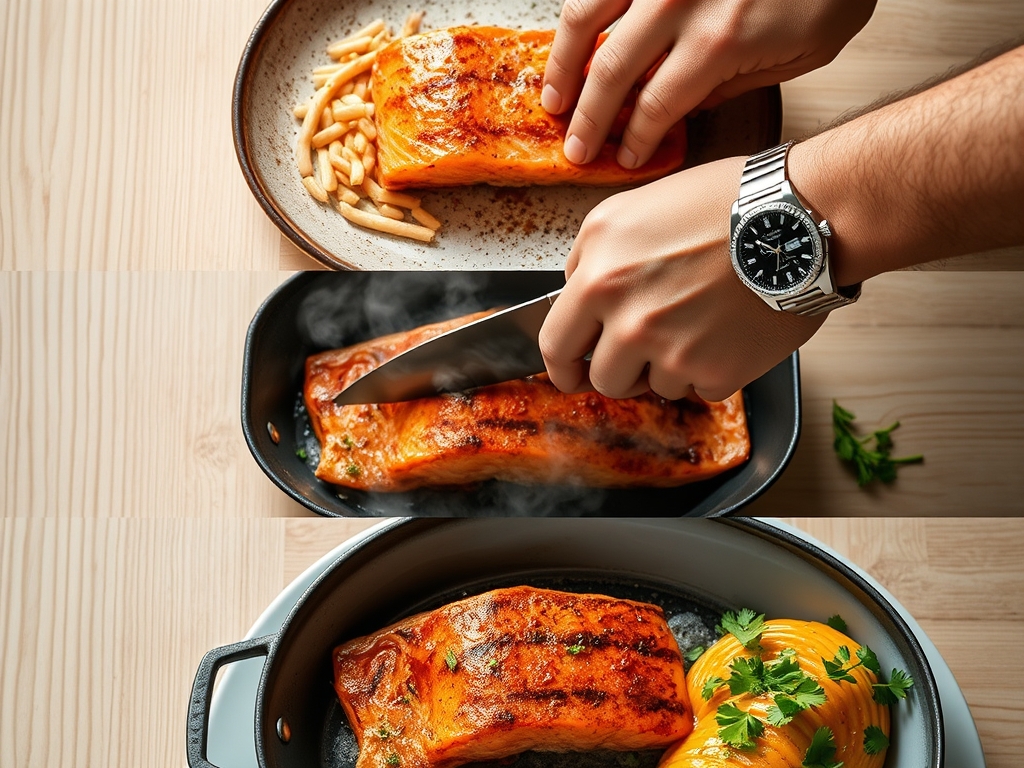
Start by patting the salmon bone-dry with paper towels. Any residual moisture will create steam, which is the enemy of a crisp crust. Once dry, apply a thin layer of oil to act as a binder for your brown sugar rub.
Pro Tip: This is known as surface desiccation. By removing water, you allow the temperature to rise quickly above 212 degrees Fahrenheit, which is necessary for the Maillard reaction to occur, creating those complex savory flavors.
2. Apply the Brown Sugar Rub
Generously coat the flesh side of the salmon with your sugar and spice mixture. Use your fingers to press the granules into the meat so they adhere firmly. Do not forget the sides; every millimeter of surface area is an opportunity for flavor.
Pro Tip: Brown sugar is hygroscopic, meaning it attracts water. As it sits on the fish, it draws out a tiny amount of moisture to create a concentrated syrup. This process is essentially a "dry brine" that seasons the fish deeply.
3. Clean and Oil the Grates
Use a stiff wire brush to clean your grill grates thoroughly. Once clean, use tongs to rub an oil-soaked paper towel over the hot grates. A clean surface is the only way to prevent the delicate skin from sticking and tearing.
Pro Tip: This creates a polymerized layer of oil on the metal, similar to seasoning a cast-iron skillet. It reduces surface tension and ensures a clean release when you flip the fish.
4. The Initial Sear
Place the salmon flesh-side down first. This might feel counterintuitive, but it allows the sugar to caramelize directly against the heat source while the fish is at its firmest. Close the lid to create a convection effect.
Pro Tip: This is where enzymatic browning happens. The heat breaks down the sucrose into glucose and fructose, which then react with the amino acids in the fish to create hundreds of new flavor compounds.
5. The Flip and Finish
Carefully use a wide spatula or a bench scraper to flip the salmon onto its skin side. The skin now acts as a heat shield, protecting the delicate flesh from overcooking while the internal temperature rises to your desired level.
Pro Tip: Utilize a digital thermometer to check for a "pull temperature" of 130 degrees Fahrenheit. Thermal carryover will continue to cook the fish after it is removed from the grill, bringing it to a perfect medium-rare 135 degrees.
The Deep Dive:
From a macro nutrition perspective, this dish is a winner. You are getting roughly 25 grams of protein per 4-ounce serving, along with healthy fats. While the brown sugar adds a few grams of carbohydrates, the amount per serving is negligible when compared to the flavor payoff. For those on specific diets, you can swap the brown sugar for a monk fruit sweetener to make this Keto-friendly, or use tamari instead of soy sauce for a Gluten-Free version.
If you hit a snag, remember "The Fix-It" rules. If the sugar is burning too fast, move the fish to an indirect heat zone on the grill. If the fish is sticking, do not force it; wait another minute for the proteins to naturally release from the grate. If the fish looks "white and chalky," that is albumin leaking out, which means it is overcooking. Pull it off the heat immediately. For meal prep, reheat your leftovers in a low-temperature oven with a splash of water to keep the moisture locked in.
The Wrap-Up:
Mastering grilled salmon recipes with brown sugar is like learning a magic trick that actually works every time. It is the perfect blend of science and soul. You have the technical precision of the temperature control mixed with the rustic, smoky charm of the grill. Go grab your tongs, fire up those coals, and get ready to serve a meal that your friends will be texting you about for weeks. You have got the knowledge; now go get the grill marks!
The Kitchen Table:
How do I stop salmon from sticking to the grill?
Ensure your grill grates are scrubbed perfectly clean and heavily oiled. Additionally, let the salmon cook undisturbed until a natural crust forms; the fish will "release" itself from the metal once the proteins have properly seared.
What is the best temperature for grilled salmon?
For a buttery, moist texture, aim for an internal temperature of 135 degrees Fahrenheit. Remove the fish from the grill when it hits 130 degrees, as thermal carryover will finish the job while the fish rests on the platter.
Can I use white sugar instead of brown?
You can, but you will lose the deep, molasses-driven complexity that brown sugar provides. White sugar also has a higher risk of burning quickly without providing the same rich color and "sticky" texture that defines this specific style.
How long should I marinate salmon in sugar?
Limit the dry rub or marinade time to 20 to 30 minutes. Because salt and sugar are both curing agents, leaving them on the fish for too long can begin to toughen the muscle fibers, resulting in a ham-like texture.