
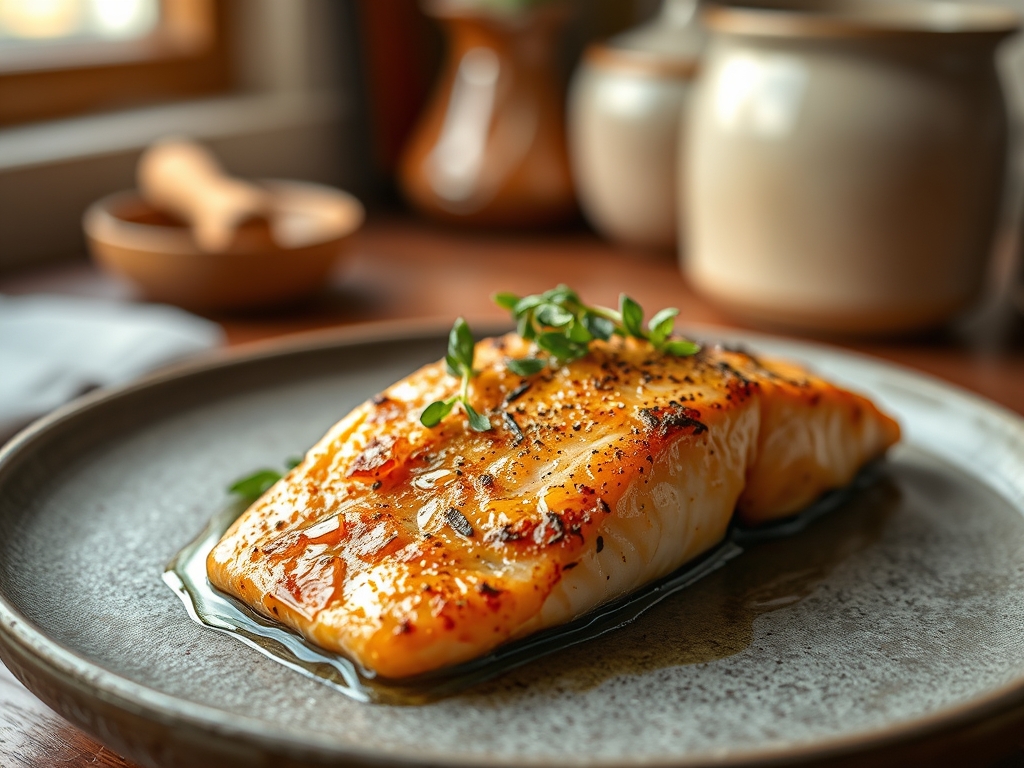
Picture this. You are standing in your kitchen after a grueling day; the air is thick with the scent of citrus and sea salt. You crave that buttery, flake-apart texture of high-end bistro fish, but your energy levels are hovering near zero. This is where your kitchen's MVP steps in to save your sanity. Mastering ninja air fryer salmon recipes is not just about convenience; it is about harnessing high-velocity convection to achieve a textural contrast that a standard oven simply cannot replicate. We are talking about a shattered-glass exterior and a translucent, succulent center that melts the moment it hits your tongue.
The magic lies in the physics of the air fryer. Unlike a conventional oven that relies on slow radiant heat, your Ninja unit uses a powerful fan to circulate superheated air. This creates a miniature wind tunnel, stripping moisture from the surface of the fish almost instantly to trigger the Maillard reaction. This chemical transformation creates hundreds of new flavor compounds, giving you that savory, umami-rich crust without overcooking the delicate proteins inside. Let us dive into the molecular mechanics of the perfect fillet.
The Gathers:
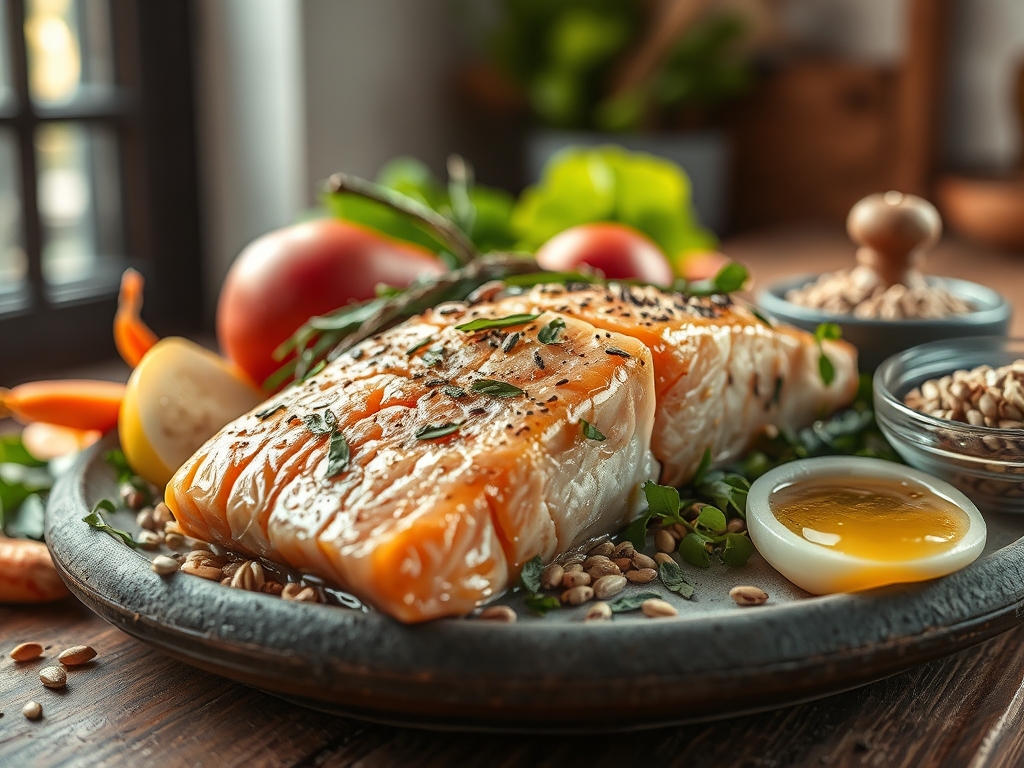
To achieve professional results, your mise-en-place must be precise. Start with two 6-ounce center-cut fillets; ideally Atlantic or King salmon for their higher intramuscular fat content. You will need a digital scale to ensure even portioning, as thickness dictates your thermal curve. Gather high-smoke-point fats like avocado oil or clarified butter. Avoid extra virgin olive oil here; its low smoke point will acridly oxidize under the intense convection of the Ninja.
For the aromatics, use a microplane to zest one organic lemon and grate two cloves of garlic into a saucier or small glass bowl. You want a viscous binder; combine the zest with honey, Dijon mustard, and smoked paprika. The sugars in the honey are essential for rapid caramelization. Finally, keep a high-quality flaky sea salt and cracked black pepper within reach.
Smart Substitutions: If you are avoiding honey, a splash of maple syrup offers a similar sugar density for browning. For a dairy-free "butter" finish, use a refined coconut oil. If salmon is unavailable, steelhead trout is an excellent biological twin with a slightly milder profile.
The Clock: Chef's Flow
Efficiency in the kitchen is about overlapping tasks to maintain momentum. The "Chef's Flow" for this recipe is exactly 15 minutes from fridge to plate.
- Minutes 0 to 4: Preheating and Prep. Never skip the preheat. Your Ninja needs to reach a steady state of 400 degrees Fahrenheit to prevent the fish from sticking. Use this time to pat the fillets bone-dry with paper towels.
- Minutes 5 to 12: The Active Roast. The fish enters the basket. This is when the render of the subcutaneous fat occurs.
- Minutes 13 to 15: The Rest. Using your tongs, transfer the fish to a warm plate. This is the most critical phase for moisture retention.
The Masterclass:
1. The Desiccation Ritual
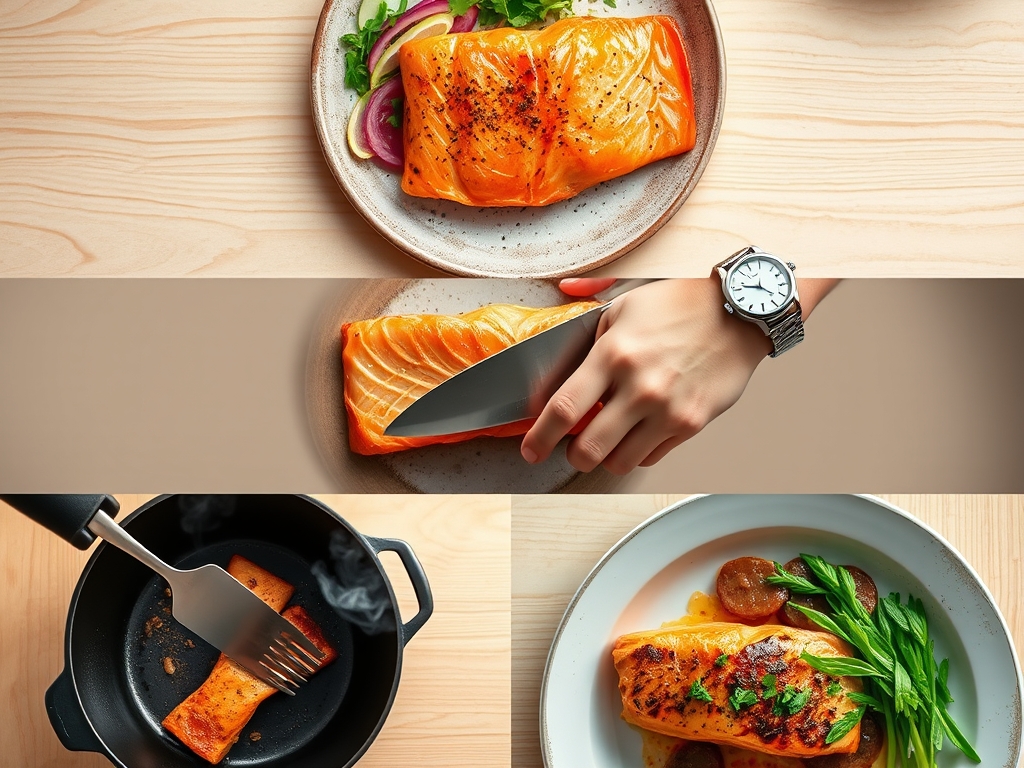
Use a paper towel to press firmly onto every millimeter of the salmon skin and flesh. Moisture is the enemy of the Maillard reaction. If the surface is damp, the air fryer will spend the first three minutes steaming the fish instead of searing it.
Pro Tip: This is known as surface evaporation. By removing external water, you allow the heat to immediately interact with the amino acids and reducing sugars, accelerating browning before the interior toughens.
2. The Emulsified Glaze
Whisk your Dijon, honey, and spices in your saucier until the mixture is fully emulsified. Use a silicone pastry brush to coat only the top and sides of the fillet. Leave the skin side bare but lightly oiled to ensure it crisps against the basket.
Pro Tip: Mustard acts as a natural emulsifier, binding the oil and honey together. This creates a protective barrier that prevents the delicate fish oils from leaching out too quickly during the cook.
3. The High-Velocity Sear
Place the fillets in the preheated Ninja basket, ensuring at least an inch of space between them. Close the lid and set to "Air Fry" at 400 degrees Fahrenheit for 7 to 9 minutes, depending on the thickness of the cut.
Pro Tip: This stage utilizes forced convection. The rapid air movement increases the heat transfer coefficient, meaning the food cooks significantly faster than in a still-air environment.
4. The Thermal Check
At the 7-minute mark, use a digital meat thermometer to check the internal temperature. You are looking for 125 degrees Fahrenheit for a perfect medium-rare. The fish should look opaque but yield slightly when pressed.
Pro Tip: Protein coagulation begins at 120 degrees. If you wait until the fish hits 145 degrees in the fryer, it will be chalky and dry by the time you eat it.
5. The Carryover Rest
Remove the fillets immediately and place them on a room-temperature plate. Do not tent them with foil, as this will trap steam and soften that hard-earned crust. Let them sit for exactly three minutes.
Pro Tip: This utilizes thermal carryover. The residual heat on the surface will continue to travel toward the center, raising the internal temperature by another 5 to 7 degrees while allowing the muscle fibers to relax and reabsorb juices.
6. The Acidic Finish
Just before serving, use your microplane to grate a fresh dusting of lemon zest over the top and add a squeeze of juice. The bright acidity will cut through the fatty richness of the salmon.
Pro Tip: This is a "piquant" finish. Acid brightens the flavor profile by stimulating the salivary glands, which makes the complex fats in the fish taste cleaner and more intense.
The Deep Dive:
From a nutritional standpoint, this dish is a powerhouse. A single 6-ounce serving provides roughly 34 grams of high-quality protein and is rich in Omega-3 fatty acids, which are essential for brain health. Because we are using the Ninja's convection power, we use 70% less oil than traditional pan-searing, keeping the calorie count around 350 per fillet.
Dietary Swaps: For a Keto version, swap the honey for a monk fruit sweetener or simply use a dry rub of smoked paprika, garlic powder, and cumin. For a Vegan alternative, this same method works beautifully with thick slabs of extra-firm tofu or "Lion's Mane" mushrooms; just increase the oil slightly to compensate for the lack of natural fish fats.
The Fix-It:
- The White Gunk: If you see white spots (albumin) pushing out of the fish, you have cooked it too fast or too long. Next time, lower the temp by 10 degrees or pull it out 1 minute earlier.
- Soggy Skin: This happens if you do not preheat the basket. The skin must hit a hot surface to prevent sticking and start the crisping process.
- Uneven Browning: If one side is dark and the other is pale, your Ninja's fan might be blocked. Ensure there is plenty of clearance around the machine's intake vents.
Meal Prep: To reheat salmon without it smelling "fishy" or turning into rubber, use the "Reheat" function on your Ninja at 300 degrees for 3 minutes. This lower temperature gently warms the fats without further coagulating the proteins.
The Wrap-Up:
You now hold the keys to the kingdom of ninja air fryer salmon recipes. By understanding the interplay between convection heat and moisture control, you have transitioned from a home cook to a culinary scientist. This recipe is fast, but the results are sophisticated enough for a Saturday night dinner party. Grab your tongs, trust your digital thermometer, and get ready to experience the best salmon of your life. Your Ninja is waiting; go make some magic happen!
The Kitchen Table:
How do I prevent salmon from sticking to the Ninja basket?
Always preheat your air fryer for at least three minutes. Lightly coat the salmon skin with a high-smoke-point oil and ensure the basket is clean. A hot, oiled surface creates a non-stick barrier through immediate protein searing.
Can I cook frozen salmon in the Ninja air fryer?
Yes, but for the best texture, thaw it first. If cooking from frozen, add 5 to 7 minutes to the cook time and skip the glaze until the final three minutes to prevent the sugars from burning while the center thaws.
What is the best internal temperature for air fryer salmon?
Pull the salmon out when it reaches an internal temperature of 125 to 130 degrees Fahrenheit. Carryover cooking will bring it to the FDA-recommended 145 degrees while keeping the center moist and flaky rather than dry and tough.
Do I need to flip the salmon in the air fryer?
No flipping is required. The Ninja's design allows air to circulate under the rack and around the fish. Flipping often breaks the delicate fillets and ruins the presentation of the caramelized top glaze. Keep it skin-side down the entire time.