
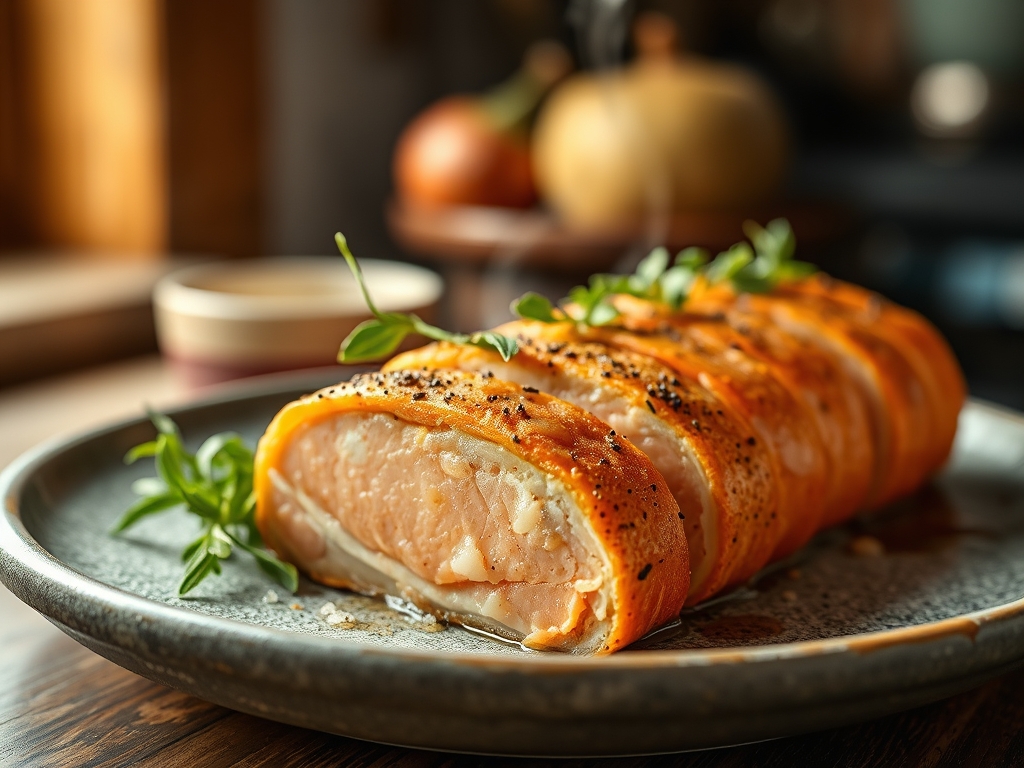
Imagine a velvet-smooth slice of chilled pink perfection, marbled with vibrant herbs and the smoky whisper of the Atlantic. When you dive into the world of fish terrine with salmon recipes, you are not just making a meal; you are architecting a centerpiece. It is the ultimate flex for a dinner party host. It is sophisticated, structurally sound, and possesses that elusive "how did she do that" quality. Most people shy away from terrines because they fear the dreaded crumble or a rubbery texture. However, once you understand the molecular bond between protein and fat, you become the master of the cold buffet. We are moving beyond basic poached fish. We are talking about a culinary mosaic that balances the richness of fatty king salmon with the structural integrity of a delicate mousseline. This is where high-end bistro vibes meet your kitchen counter. Grab your favorite apron and a glass of something crisp. We are about to turn humble fillets into a geometric masterpiece that tastes even better than it looks in a French editorial.
The Gathers:
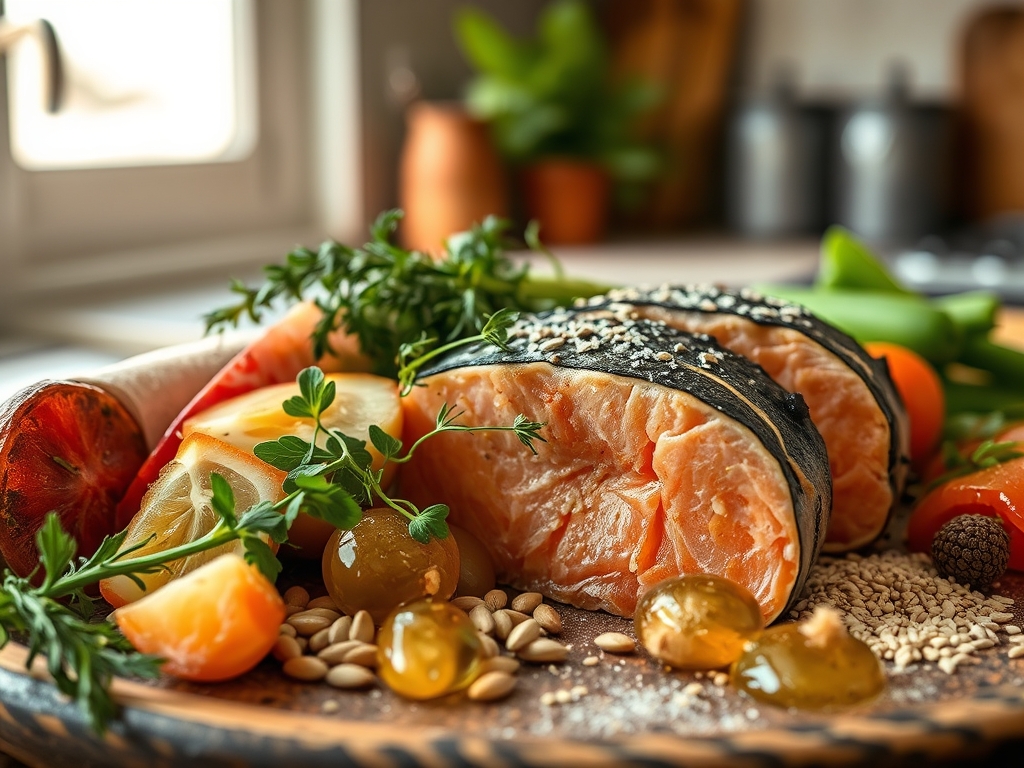
To achieve a professional-grade result, your mise-en-place must be precise. Start with 800 grams of center-cut Atlantic salmon. You want the belly fat for flavor but the loin for structure. You will also need 200 grams of white fish, such as cod or sole, to act as a binder. The white fish contains different myofibrillar proteins that help create a smoother emulsion.
For the liquids, source heavy cream with at least 36 percent milk fat. This is not the place for low-fat substitutes; we need the lipid molecules to trap air and moisture. You will also need two large egg whites, which provide the albumin necessary for the "set." For aromatics, gather fresh dill, chives, and a single organic lemon. Use a microplane to zest the lemon, ensuring you only take the yellow flavedo and none of the bitter white pith.
Smart Substitutions: If you cannot find high-quality white fish, scallops are a decadent alternative that adds a natural sweetness and a firmer set due to their high density. For a dairy-free version, full-fat coconut cream can work, though it will alter the flavor profile. Always use a digital scale for your measurements. In the world of charcuterie and terrines, ratios are the difference between a slice and a slump.
The Clock
Efficiency in the kitchen is about the "Chef's Flow." Total active prep time is approximately 45 minutes, but the clock is really about the thermal stabilization.
- Prep (30 mins): Cubing the fish, chilling the equipment, and preparing the herb inlay.
- Processing (15 mins): Creating the emulsion in short bursts to prevent heat friction.
- Cooking (50-60 mins): A gentle poach in a water bath at 300 degrees Fahrenheit.
- Setting (12 hours): The mandatory overnight chill.
The "Flow" dictates that you chill your food processor blade and bowl in the freezer for ten minutes before starting. Keeping the protein below 40 degrees Fahrenheit during the blending process prevents the fat from "breaking" or leaking out during the bake.
The Masterclass
1. The Deep Chill
Before the first cut, place your salmon and white fish in the freezer for 15 minutes. You want the edges to be firm but not frozen.
Pro Tip: This is about protein denaturation. Cold temperatures prevent the friction of the processor blades from "cooking" the fish prematurely, which ensures the proteins only bond when they hit the oven.
2. The Primary Grind
Pulse the white fish and egg whites in a food processor until a tacky paste forms. Use a rubber spatula to scrape the sides frequently.
Pro Tip: The egg whites act as a hydrocolloid, creating a network that traps water and fat. If the mixture gets too warm here, the emulsion will fail later.
3. Incorporating the Cream
With the motor running, slowly drizzle in the chilled heavy cream until the mixture is viscous and glossy.
Pro Tip: This creates a fat-in-water emulsion. By adding the cream slowly, you allow the protein molecules to surround the fat droplets, preventing them from coalescing into a greasy mess.
4. The Salmon Fold
Hand-dice half of your salmon into neat 1-cm cubes and fold them into the white fish mousse. Thinly slice the remaining salmon into long ribbons.
Pro Tip: This provides a structural contrast. The mousse acts as the "glue," while the cubes provide the "bite," preventing a monochromatic texture.
5. Layering the Mosaic
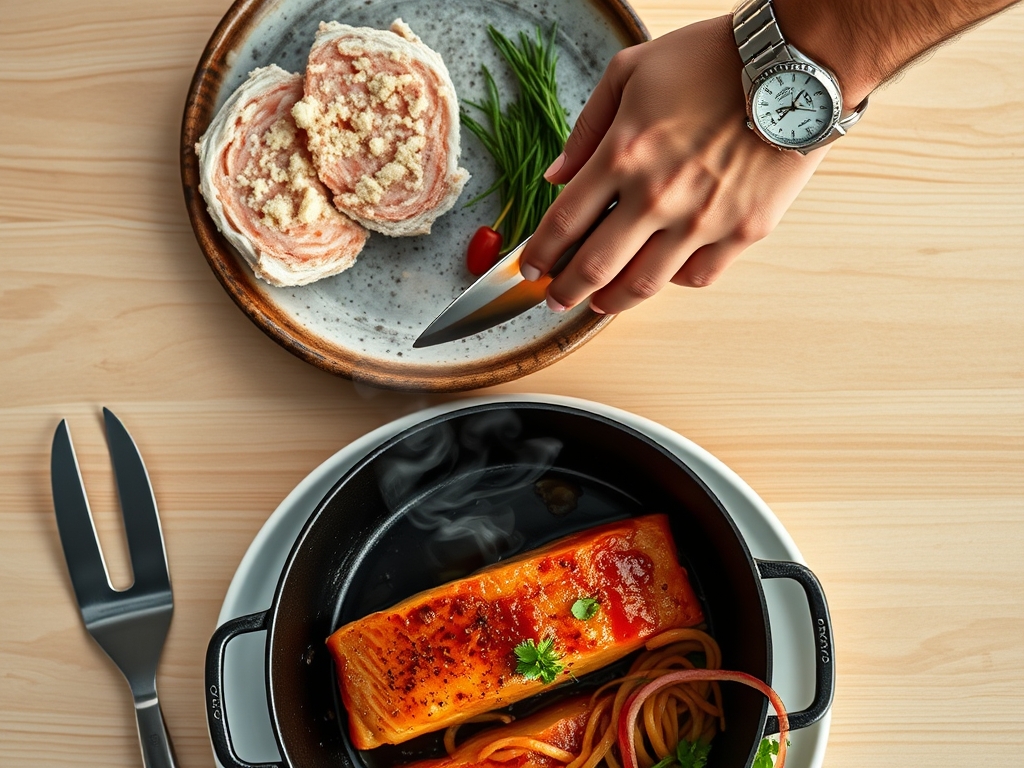
Line a terrine mold with plastic wrap, then the salmon ribbons. Fill halfway with mousse, add a layer of fresh herbs, and top with the remaining mousse.
Pro Tip: Use a bench scraper to level the top. Removing air pockets is vital because trapped air expands when heated, causing the terrine to crack.
6. The Bain-Marie Method
Place the mold in a deep roasting pan filled with hot water halfway up the sides. Cover tightly with foil.
Pro Tip: This is conductive heat regulation. The water bath ensures the temperature never exceeds 212 degrees Fahrenheit, protecting the delicate fish proteins from toughening.
7. The Internal Temp Check
Use a digital probe thermometer to pull the terrine when the center reaches 135 degrees Fahrenheit.
Pro Tip: Account for thermal carryover. The internal temperature will rise another 5 degrees while resting, bringing it to the perfect safety and texture zone of 140 degrees.
8. The Weighted Press
Once out of the oven, place a weight (like a brick or heavy cans) on top of the terrine as it cools to room temperature.
Pro Tip: This mechanical compression forces out excess moisture and tightens the protein structure, ensuring clean, sharp slices that do not fall apart.
9. The Overnight Cure
Transfer the weighted terrine to the refrigerator for at least 12 hours before unmolding.
Pro Tip: This allows for gelatinization. Natural collagens in the fish set into a firm gel, which deepens the flavor and creates that signature silky mouthfeel.
The Deep Dive
Macro Nutrition: A standard slice is a powerhouse of Omega-3 fatty acids and high-quality protein. It is naturally low in carbohydrates, making it an excellent choice for metabolic health.
Dietary Swaps: For a Keto version, ensure your cream is high-fat and avoid any fillers like breadcrumbs. For a Gluten-Free guarantee, check your seasonings for hidden maltodextrin.
The Fix-It:
- Problem: The terrine is weeping liquid. Fix: You likely overcooked it. Next time, use a more precise thermometer. For now, pat it dry and serve with a thick remoulade.
- Problem: It is crumbling when sliced. Fix: The emulsion broke or was not weighted enough. Use a hot, thin knife to slice it gently.
- Problem: The flavor is dull. Fix: Cold food requires more seasoning than hot food. Always "over-season" your raw mousse slightly.
Meal Prep: You can make this three days in advance. To maintain "day-one" quality, keep it wrapped tightly in plastic to prevent oxidation, which can turn the salmon a dull grey. Do not freeze the finished terrine; the ice crystals will destroy the delicate emulsion.
The Wrap-Up
Mastering fish terrine with salmon recipes is a rite of passage for any serious home cook. It combines the precision of science with the artistry of presentation. By controlling your temperatures and respecting the emulsion process, you create a dish that is both a nutritional powerhouse and a visual stunner. Remember to use your tongs for plating and a saucier to drizzle a bright herb oil around the base. You have the tools, you have the science, and now you have the secret to the perfect slice. Go forth and impress!
The Kitchen Table
Can I use frozen salmon for this recipe?
Yes, but thaw it completely in the fridge and pat it extremely dry. Excess moisture from frozen fish can ruin the emulsion stability, leading to a watery terrine. Always prioritize wild-caught for better color and fat content.
How do I get a perfectly clean slice?
Use a very sharp, thin-bladed knife. Dip the blade in hot water and wipe it clean between every single cut. The heat helps the blade glide through the fats and proteins without tearing the delicate layers.
What is the best sauce to serve with salmon terrine?
A piquant sauce like a lemon-dill creme fraiche or a classic Ravigote works best. The acidity cuts through the richness of the salmon and cream, balancing the palate and highlighting the fresh herb notes.
How long does the terrine stay fresh?
When stored in an airtight container in the coldest part of your fridge, it stays perfect for three to four days. The flavors actually infuse and deepen after the first 24 hours, making it the ultimate make-ahead appetizer.