
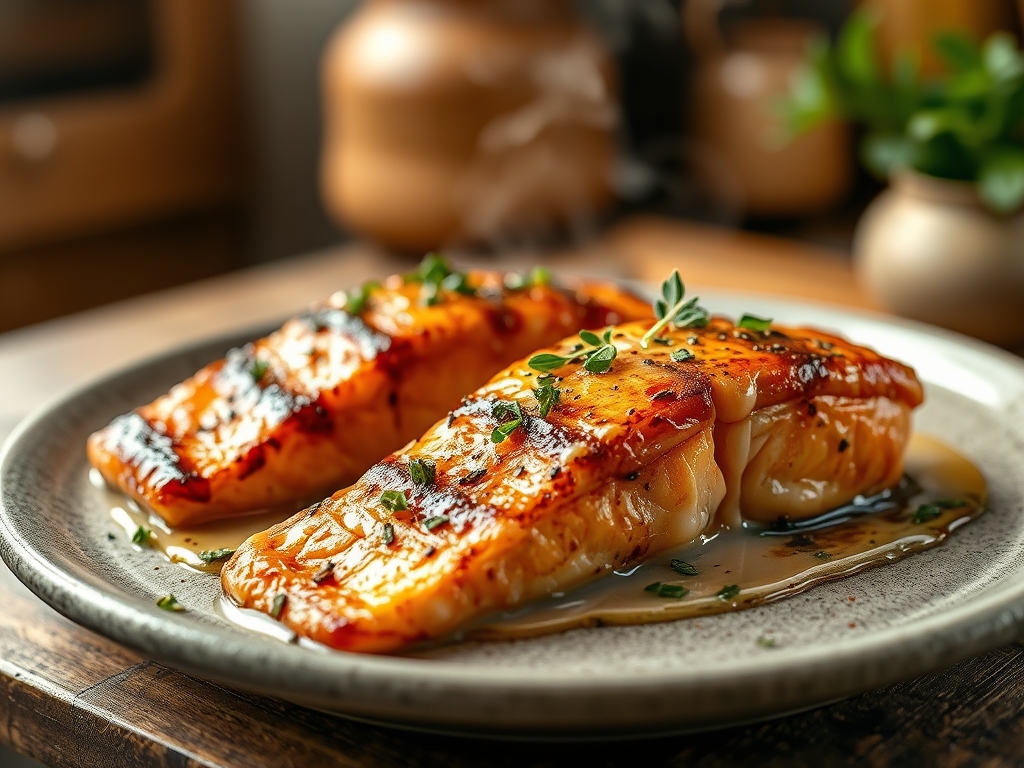
Imagine the sound of a heavy-bottomed skillet meeting the counter while the scent of citrus zest and toasted sesame oil fills your kitchen. We are moving beyond the dry, flaky fillets of your past to embrace the silky, flavor-saturated world of marinated baked salmon recipes. This is where high-grade protein meets the transformative power of a well-balanced brine; it is a culinary intersection of chemistry and comfort that ensures every bite is buttery and bold.
The secret to a show-stopping dinner is not just the fish itself, but the way you manipulate its cellular structure before it ever touches the heat. When we talk about marinated baked salmon recipes, we are discussing the art of the marinade: a precise ratio of acid, fat, and aromatics designed to penetrate the dense muscle fibers of the salmon. This process does more than just add flavor; it actually alters the proteins to retain moisture during the high-heat environment of the oven. We are aiming for that perfect, translucent center and a deeply caramelized exterior that shatters slightly under your fork. Get your microplane ready; we are about to build a flavor profile that will make your local bistro jealous.
The Gathers:
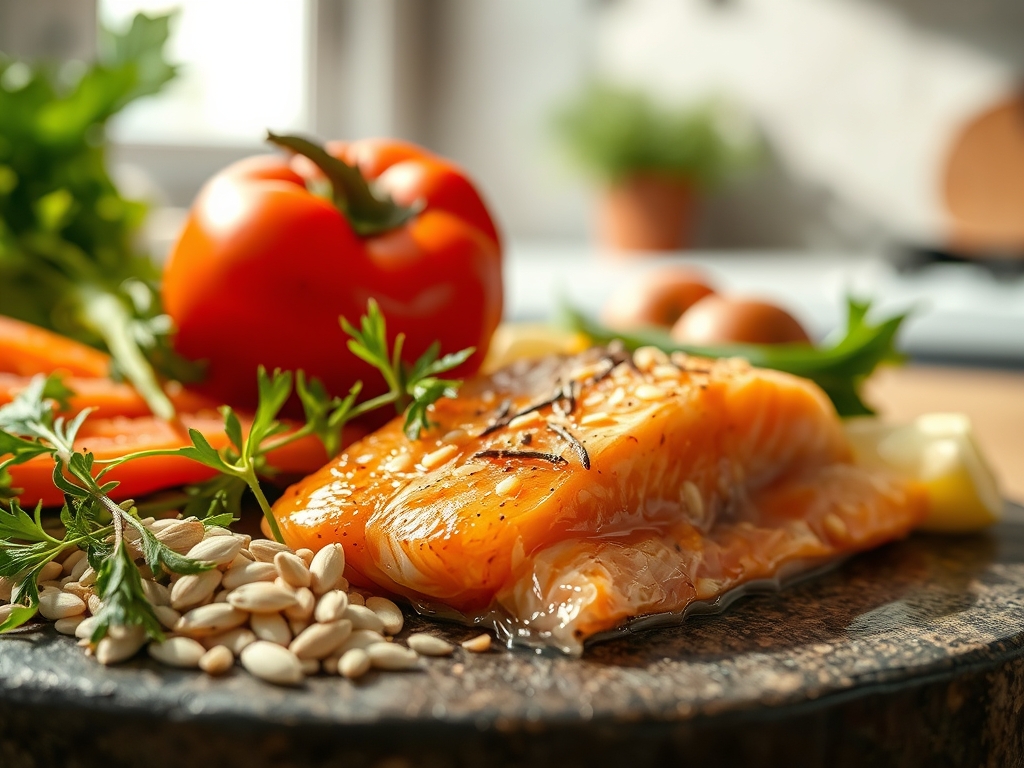
Mise-en-place is the heartbeat of a functional kitchen. To execute these marinated baked salmon recipes with precision, you need to gather your components with a focus on their chemical contributions. Start with center-cut Atlantic or King salmon fillets; these varieties offer the highest fat content, which is essential for a viscous mouthfeel. You will need a high-quality fat, like extra virgin olive oil or avocado oil, to act as the carrier for fat-soluble flavor compounds.
Next, focus on your aromatics and acids. Grab a fresh lemon and a knob of ginger. Using a microplane to grate these directly into your mixing bowl ensures you capture the volatile oils that provide that piquant punch. For the salt component, reach for tamari or liquid aminos to add depth and umami. If you are looking for smart substitutions, you can swap honey for maple syrup to change the sugar's caramelization point, or use rice vinegar if you find lemon juice too sharp. Always use a digital scale to measure your ingredients if you want consistent results every single time; weight is the only true constant in the kitchen.
The Clock: Chef's Flow
Efficiency in the kitchen is about managing the "Chef's Flow," which is the sequence of tasks that minimizes downtime. For most marinated baked salmon recipes, your active prep time is a mere 10 minutes. However, the "passive" time is where the magic happens. You want to allow the fish to infuse in the marinade for at least 30 minutes, but no more than two hours. Any longer, and the acid will begin to "cook" the fish, resulting in a mushy texture.
The actual bake time is remarkably fast, usually between 12 to 15 minutes at 400 degrees Fahrenheit. While the salmon is in the oven, use that window to deglaze a pan for a side dish or aerate a quick salad dressing. By the time the oven timer beeps, your entire meal should be ready to plate. This synchronized timing ensures that the salmon is served at its peak temperature, preventing the fat from congealing as it sits on the counter.
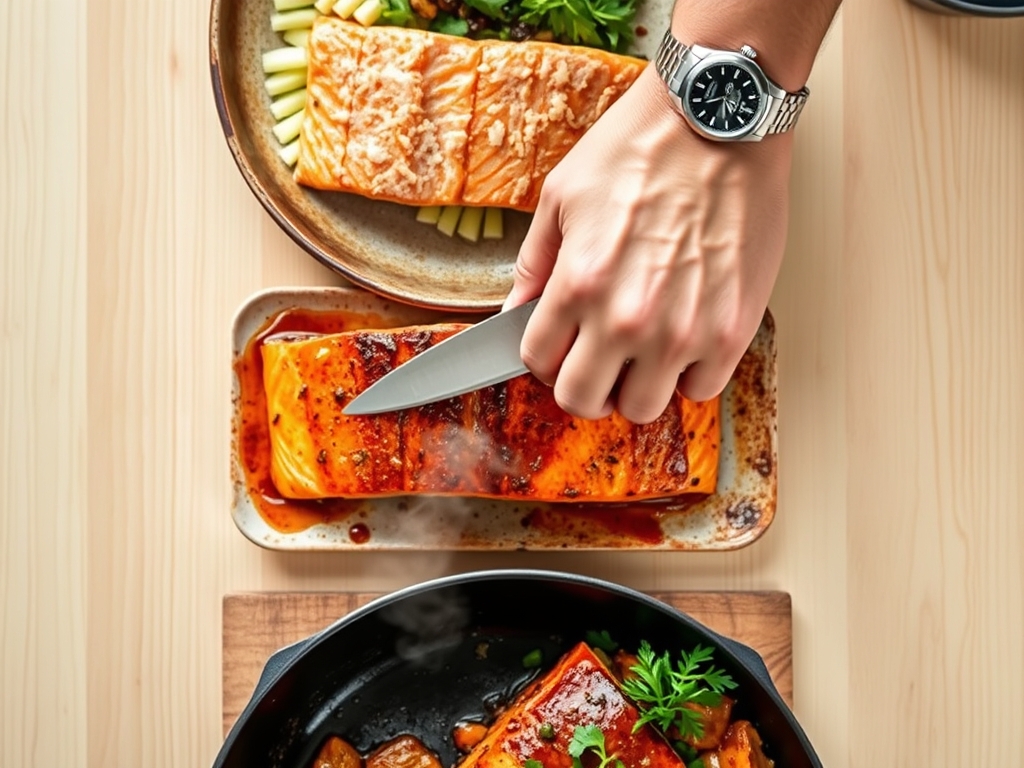
The Masterclass:
1. The Emulsification Phase
Begin by whisking your oil, acid, and honey in a small saucier or bowl until the mixture is fully emulsified. You want a uniform liquid that won't separate when it hits the fish.
Pro Tip: Emulsification is the process of forcing two immiscible liquids to combine. This ensures the fat coats the protein evenly, preventing the acid from over-denaturing the delicate surface of the salmon.
2. The Surface Prep
Pat your salmon fillets bone-dry with a paper towel before placing them in a shallow glass dish. Moisture is the enemy of a good sear or bake; if the surface is wet, the fish will steam rather than roast.
Pro Tip: Removing surface moisture allows for the Maillard reaction to occur more efficiently. This chemical reaction between amino acids and reducing sugars creates that savory, browned crust we all crave.
3. The Infusion Soak
Pour your marinade over the fillets, ensuring the flesh side is fully submerged. Use tongs to flip the fish once to coat all sides, then cover and refrigerate.
Pro Tip: Cold temperatures slow down enzymatic activity. By marinating in the fridge, you allow the flavors to penetrate the outer layers without the acid breaking down the connective tissue too quickly.
4. The Thermal Transition
Remove the salmon from the refrigerator 15 minutes before baking. Placing cold fish into a hot oven causes the muscle fibers to seize, pushing out precious moisture.
Pro Tip: Bringing the protein closer to room temperature ensures more even heat distribution. This prevents the outside from overcooking before the center reaches the safe internal temperature of 145 degrees Fahrenheit.
5. The High-Heat Roast
Place the fillets on a parchment-lined baking sheet. Pour a small amount of the remaining marinade over the top to create a glaze. Slide them into the center rack of your preheated oven.
Pro Tip: Using parchment paper prevents the skin from sticking and promotes even heat circulation. The sugars in the marinade will begin to render and thicken, creating a built-in sauce as the fish cooks.
6. The Carryover Rest
Once the salmon reaches 135 degrees Fahrenheit, remove it from the oven immediately. Use a bench scraper or wide spatula to transfer the fillets to a warm plate and let them rest for 5 minutes.
Pro Tip: This is known as thermal carryover. The internal temperature will continue to rise about 5 to 10 degrees while resting, allowing the juices to redistribute so they don't run out when you take your first bite.
The Deep Dive:
When we look at the macro nutrition of marinated baked salmon recipes, we are talking about a powerhouse of Omega-3 fatty acids and high-quality protein. A standard 6-ounce fillet provides roughly 34 grams of protein and 15 grams of healthy fats. For those with dietary restrictions, these recipes are incredibly flexible. To make this Keto, simply swap the honey for a monk fruit sweetener. For a Vegan alternative, this same marinade works wonders on thick slabs of extra-firm tofu or cauliflower steaks.
Even the best chefs run into pitfalls. If you find your salmon is leaking a white substance, that is albumin, a protein that extrudes when the fish is cooked too fast or too high. To fix this, lower your oven temperature next time. If your marinade is too salty, balance it with a splash of rice vinegar or a pinch of brown sugar. For meal prep, the secret to "day-one" quality is reheating the salmon at a very low temperature (275 degrees) with a splash of water covered in foil to prevent dehydration.
The Wrap-Up:
Mastering marinated baked salmon recipes is like gaining a superpower in the kitchen. It is the perfect blend of scientific precision and creative flair. By understanding how acids tenderize and how sugars caramelize, you can turn a simple weeknight dinner into a gourmet experience. Remember to trust your tools; use that digital thermometer and don't skip the rest period. Now, go grab your apron and let those flavors infuse!
The Kitchen Table:
How long should I marinate salmon?
For the best texture, marinate salmon for 30 to 60 minutes. Exceeding two hours can cause the acid to break down the proteins excessively, resulting in a mushy or "chalky" consistency rather than a firm, flaky bite.
What is the best temperature for baked salmon?
Baking at 400 degrees Fahrenheit is ideal for most marinated baked salmon recipes. This high heat encourages the Maillard reaction on the surface while keeping the interior moist and tender through rapid heat transfer.
How do I tell if salmon is done without a thermometer?
Gently press the top of the fillet with a fork or your finger. If the meat separates easily along the natural white lines (the fat layers), it is done. The center should still look slightly translucent and feel firm.
Can I reuse the leftover marinade?
Never use raw marinade as a sauce unless you boil it first. To safely reuse it, place the liquid in a saucier and bring it to a rolling boil for at least 60 seconds to kill any bacteria.
Why is my salmon skin not crispy?
Crispy skin requires a completely dry surface and direct contact with a hot pan or preheated baking sheet. If the salmon is sitting in too much liquid marinade while baking, the skin will steam instead of crisping.