
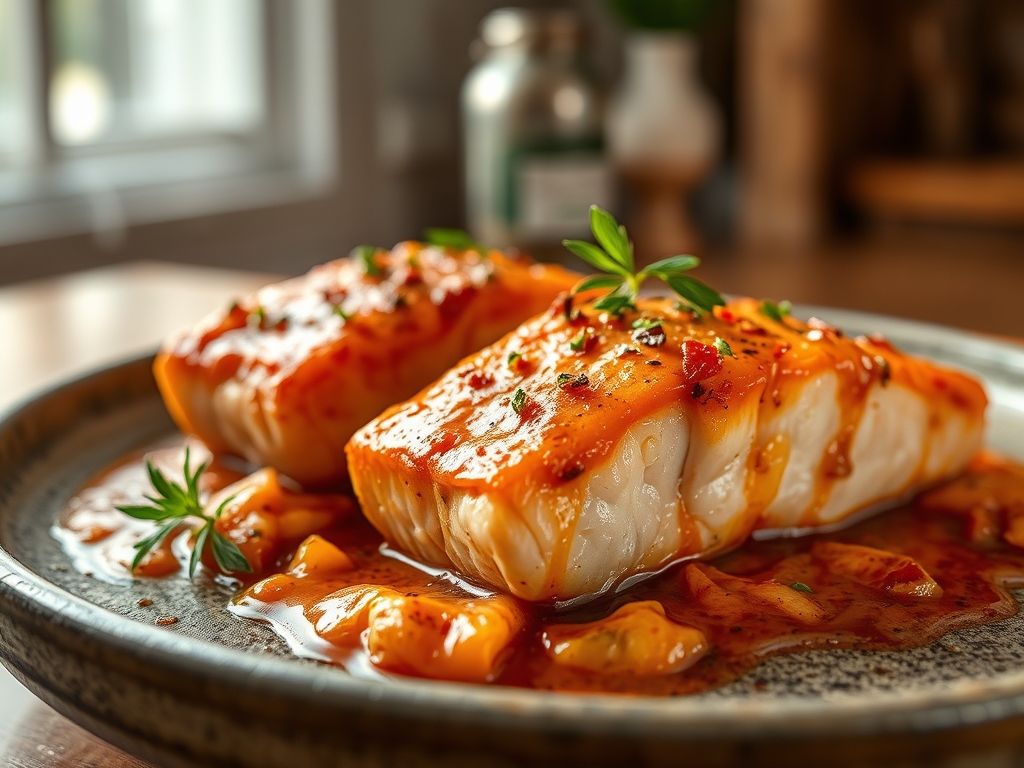
Imagine the sound of a heavy-bottomed skillet meeting the flame; it is the rhythmic percussion of a kitchen that knows exactly what it is doing. We are moving past the era of dry, flaky fish that requires a gallon of water to swallow. Today, we are mastering saucy salmon recipes that transform a simple protein into a velvet-draped masterpiece. It is about that perfect marriage of fatty acids and emulsified liquids that creates a restaurant-quality glaze.
The secret to a truly transformative meal lies in the sauce. When you learn to balance acidity with fat, you unlock a level of flavor that feels like a cheat code for your palate. Whether it is a bright lemon-butter reduction or a sticky miso-honey glaze, these dishes are designed to coat every single flake of fish in a rich, viscous embrace. We are talking about deep, soulful comfort food that happens to be incredibly good for your brain.
The Gathers:
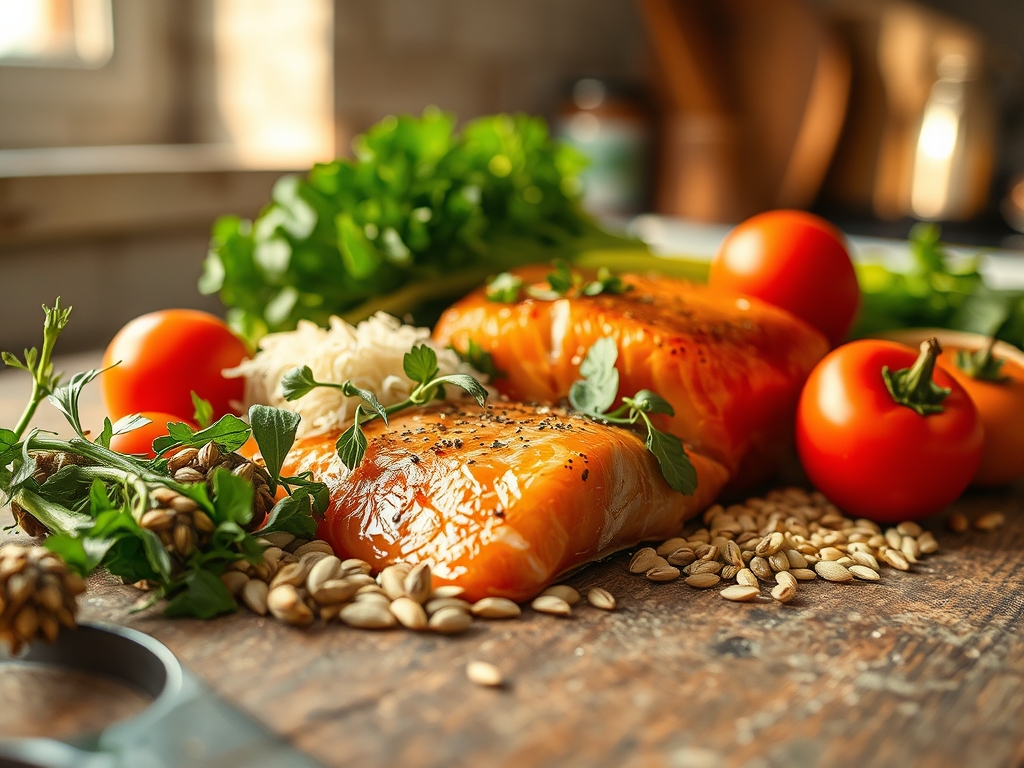
To execute these saucy salmon recipes with precision, your mise-en-place must be impeccable. Start with high-quality fillets; look for vibrant color and firm flesh that bounces back when pressed. You will need a sharp chef knife to portion the fish and a microplane to harvest the aromatic oils from citrus zest without hitting the bitter white pith.
Your pantry should be stocked with high-smoke-point oils like avocado or grapeseed oil for the initial sear. For the sauces, gather heavy cream, cold unsalted butter for mounting, and aromatics like shallots and garlic. Do not forget the deglazing agents; dry white wine or a splash of mirin will help lift the fond from the pan.
Smart Substitutions: If you are avoiding dairy, a full-fat coconut milk provides the necessary lipids for a stable emulsion. For those watching sodium, liquid aminos offer that savory umami punch without the salt levels of traditional soy sauce. If you lack fresh herbs, use a third of the amount in dried form, but add them earlier to allow the heat to hydrate the dried cell walls.
The Clock:
Time is the most volatile ingredient in your kitchen. For these saucy salmon recipes, the "Chef's Flow" dictates that the sauce preparation happens in tandem with the fish. You are looking at a total commitment of 25 to 30 minutes. Prep takes 10 minutes; this includes your knife work and measuring out liquids.
The actual cook time is a fast-paced 12 to 15 minutes. This ensures the salmon reaches a medium-rare internal temperature of 125 degrees Fahrenheit before the residual heat carries it to a perfect 135 degrees. If you spend too much time on the sauce while the fish sits, you risk a "weeping" protein where the moisture escapes and dilutes your beautiful reduction.
The Masterclass:
1. The Sear and Render
Place your salmon skin-side down in a preheated stainless steel skillet. Use your tongs to press the fish firmly against the metal for the first thirty seconds. This ensures maximum surface contact for the Maillard reaction to occur.
Pro Tip: This physical pressure prevents the protein fibers from curling as they hit the heat. Scientifically, this allows the skin to render its fat evenly, resulting in a glass-like crunch rather than a rubbery texture.
2. Deglazing the Fond
Once the salmon is removed and resting, look at the brown bits at the bottom of the pan. This is "fond," or concentrated flavor. Pour in your liquid of choice; wine, stock, or citrus juice; and use a wooden spoon or a bench scraper to lift those bits into the liquid.
Pro Tip: Deglazing is a chemical process where the alcohol or acid dissolves the caramelized proteins and sugars. This creates a complex flavor base that water alone cannot achieve.
3. Building the Emulsion
Lower the heat and whisk in your aromatics followed by your fat source. If using butter, add it one cold cube at a time while whisking vigorously to aerate the sauce.
Pro Tip: This is "mounting with butter" or monter au beurre. The cold temperature of the butter prevents the milk solids from separating too quickly, allowing the fat to suspend in the liquid for a thick, glossy finish.
4. Infusing the Aromatics
Add your fresh herbs or spices at the very end. Use a saucier or a small whisk to ensure the flavors are distributed evenly throughout the liquid.
Pro Tip: Essential oils in herbs like dill or parsley are highly volatile. Adding them at the end prevents the heat from evaporating the delicate aromatic compounds that provide that "fresh" finish.
5. The Gentle Re-Entry
Place the salmon back into the pan, but do not submerge it entirely if you want to keep the skin crispy. Use a spoon to drape the sauce over the flesh.
Pro Tip: This secondary heating period allows for "thermal carryover." The internal temperature will rise slowly while the sauce creates a moisture barrier, preventing the fish from drying out.
6. The Final Balance
Taste your sauce. If it is too heavy, add a squeeze of lemon. If it is too acidic, a tiny pinch of sugar or a splash of cream will provide the necessary counterbalance.
Pro Tip: Balancing flavors is about managing pH levels. Acidity "brightens" a dish by stimulating the salivary glands, which makes the flavors of the salmon feel more intense and less muddy.
The Deep Dive:
When we look at the macro nutrition of these saucy salmon recipes, we are prioritizing high-quality fats. A standard 6-ounce serving provides roughly 34 grams of protein and a significant dose of Omega-3 fatty acids. While the sauces add caloric density, they also provide satiety, meaning you will stay full longer.
For dietary swaps, Keto followers can lean heavily into butter and cream bases. For a Vegan version, use a "carrot lox" or firm tofu with a miso-tahini sauce to mimic the richness. Gluten-free needs are easily met by using cornstarch or a reduction method instead of a flour-based roux to thicken the sauce.
The Fix-It:
- Broken Sauce: If your sauce looks oily and separated, whisk in a teaspoon of warm water or heavy cream to re-emulsify the fats.
- Albumin Bleed: Those white spots on the salmon are just coagulated protein. To fix this, brine the fish in salt water for 10 minutes before cooking to tighten the exterior fibers.
- Soggy Skin: If the skin loses its crunch in the sauce, use a kitchen torch to briefly crisp the top or keep the sauce strictly on the bottom of the plate.
Meal Prep: Reheating salmon is a science. Avoid the microwave at all costs; it vibrates water molecules too fast and toughens the fish. Instead, reheat in a covered pan over low heat with a tablespoon of water to create a steam chamber. This preserves the "day-one" flake and prevents the sauce from breaking.
The Wrap-Up:
You are now equipped with the technical prowess to turn a simple piece of fish into a culinary event. Saucy salmon recipes are not just about eating; they are about the chemistry of flavor and the joy of a perfectly executed technique. Grab your skillet, trust your thermometer, and let the sauce do the heavy lifting. You have got this!
The Kitchen Table:
How do I prevent the salmon from sticking to the pan?
Ensure your pan is properly preheated before adding oil. Once the oil shimmers, add the fish. Do not attempt to flip the salmon until it naturally releases from the surface; this indicates the crust has fully formed.
Can I use frozen salmon for these recipes?
Yes, but you must thaw it completely in the refrigerator. Pat the fish extremely dry with paper towels before cooking. Excess moisture on the surface will create steam, preventing the Maillard reaction and resulting in a grey, mushy texture.
What is the best way to thicken a salmon sauce?
The most professional method is a reduction; simmering the liquid until the water evaporates. Alternatively, whisking in cold butter or a small amount of heavy cream creates a luxurious thickness without the need for flour or cornstarch.
How do I know when the salmon is perfectly cooked?
Use a digital thermometer to check for an internal temperature of 125 to 130 degrees Fahrenheit. The fish should feel firm to the touch but still have a slight give, and the flakes should separate easily with a fork.