
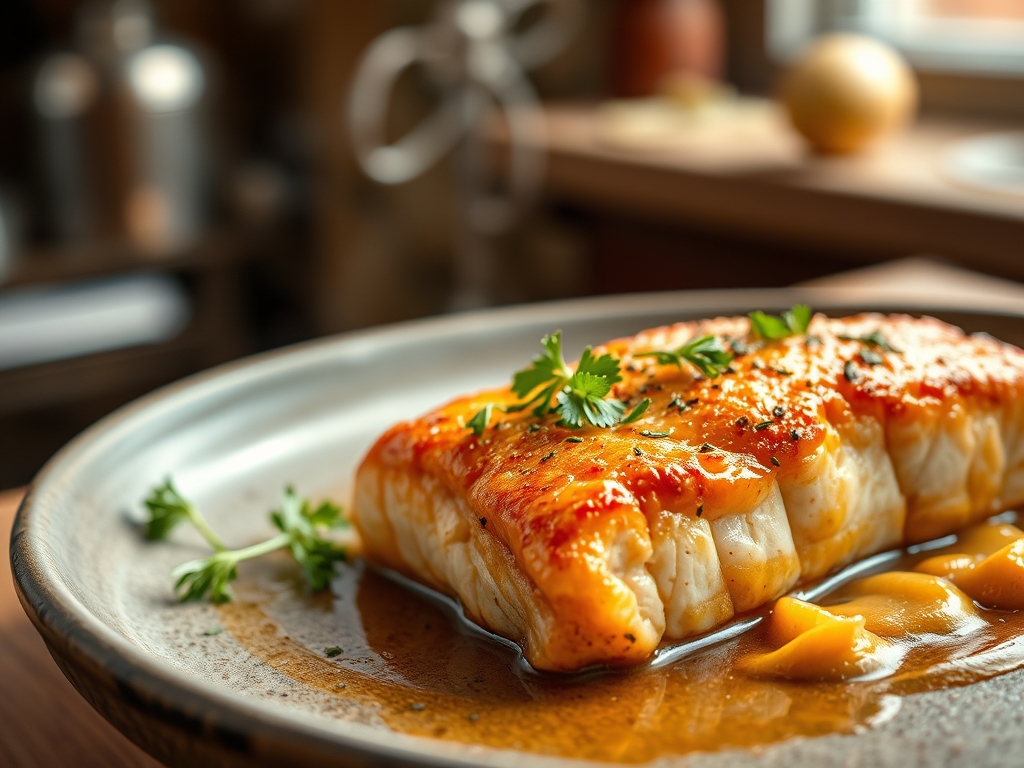
Picture the scene: rain is drumming a rhythmic beat against the windowpane while the kitchen glows with the amber light of a flickering candle. You are craving something sophisticated yet deeply grounding. This is where dutch oven salmon recipes bridge the gap between high-end bistro dining and the soul-soothing comfort of a home-cooked feast. There is a specific magic that happens when a heavy cast iron lid seals in the fragrant steam of herbs and citrus. It transforms a delicate fillet into a buttery masterpiece that flakes at the mere suggestion of a fork. We are not just cooking dinner tonight; we are engineering a sensory experience that balances the richness of Omega-3 fatty acids with the bright, piquant notes of a perfectly executed reduction. Whether you are hosting a small gathering or simply treating yourself after a long week, these seven variations on the classic roast will redefine how you view your favorite heavy-bottomed pot.
The Gathers:
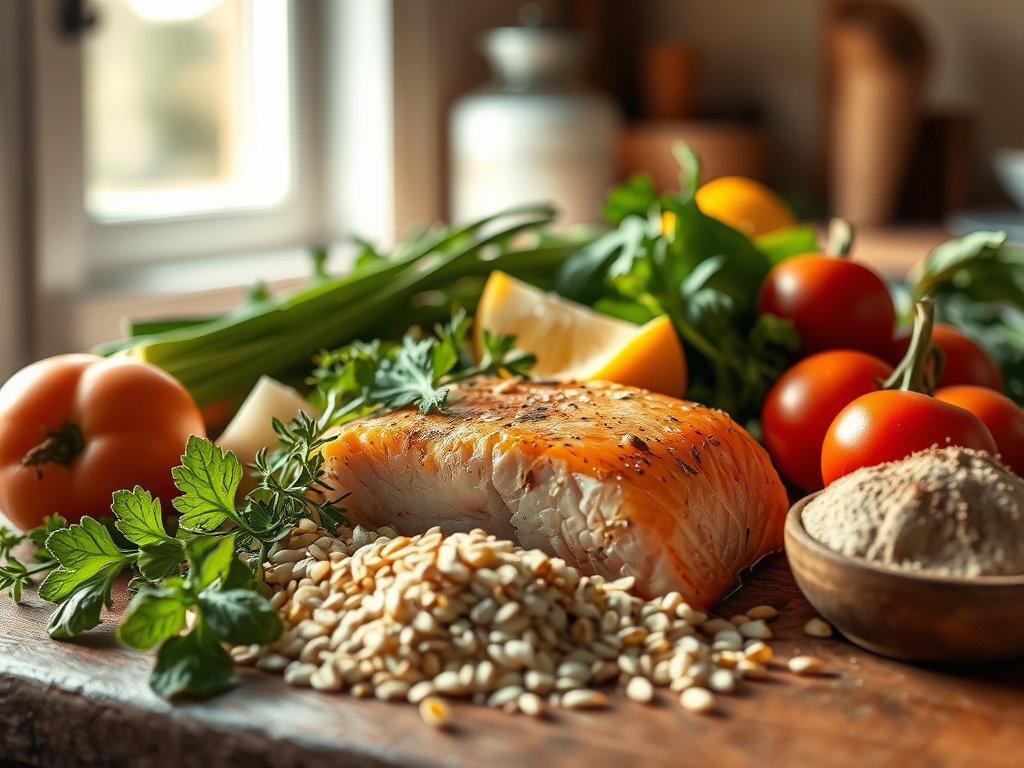
Before we ignite the burner, we must respect the mise-en-place. For these dutch oven salmon recipes, your primary protein should be high-quality, center-cut fillets. Look for deep pigmentation, which indicates a high concentration of astaxanthin, a powerful antioxidant. You will need a viscous fat source to prevent sticking and encourage heat transfer; cold-pressed olive oil or clarified butter works best. To build the flavor profile, gather fresh aromatics: sprigs of woody rosemary, bundles of dill, and plump cloves of garlic that we will later infuse into the cooking liquid.
For the "Smart Substitutions," if you cannot find wild-caught Sockeye, a fatty King salmon provides a luscious mouthfeel that stands up well to the high heat of a dutch oven. If you are avoiding dairy, swap the heavy cream in the pan sauce for full-fat coconut milk or a cashew-based cream to maintain that velvet texture. Always keep a microplane nearby to zest citrus directly over the pot; the volatile oils in the zest provide a much sharper aromatic punch than the juice alone.
The Clock
Efficiency in the kitchen is about mastering the "Chef's Flow." For these recipes, expect a total commitment of 45 minutes. The active preparation phase takes roughly 15 minutes. This involves using a digital scale to ensure uniform portions and a sharp chef's knife to slice your aromatics. The actual cooking time is remarkably swift, usually between 12 to 18 minutes depending on the thickness of the fish.
The remaining time is the most critical: the rest. Allowing the salmon to sit in the residual heat of the dutch oven for five minutes ensures the moisture redistributes throughout the protein fibers. This prevents the "dry-out" effect often seen in oven-baked fish. Use this window to deglaze your pan or toss a crisp green salad to provide a textural contrast to the tender roast.
The Masterclass
1. Tempering and Prepping the Protein
Begin by removing your salmon from the refrigerator at least 20 minutes before cooking. Use a paper towel to pat the skin extremely dry. Moisture is the enemy of the Maillard reaction; any surface water will turn to steam and prevent the skin from becoming crisp.
Pro Tip: This is known as thermal equilibrium. By bringing the fish closer to room temperature, you ensure the center reaches the ideal internal temperature at the same time the exterior finishes searing, preventing a raw middle.
2. Searing for Structural Integrity
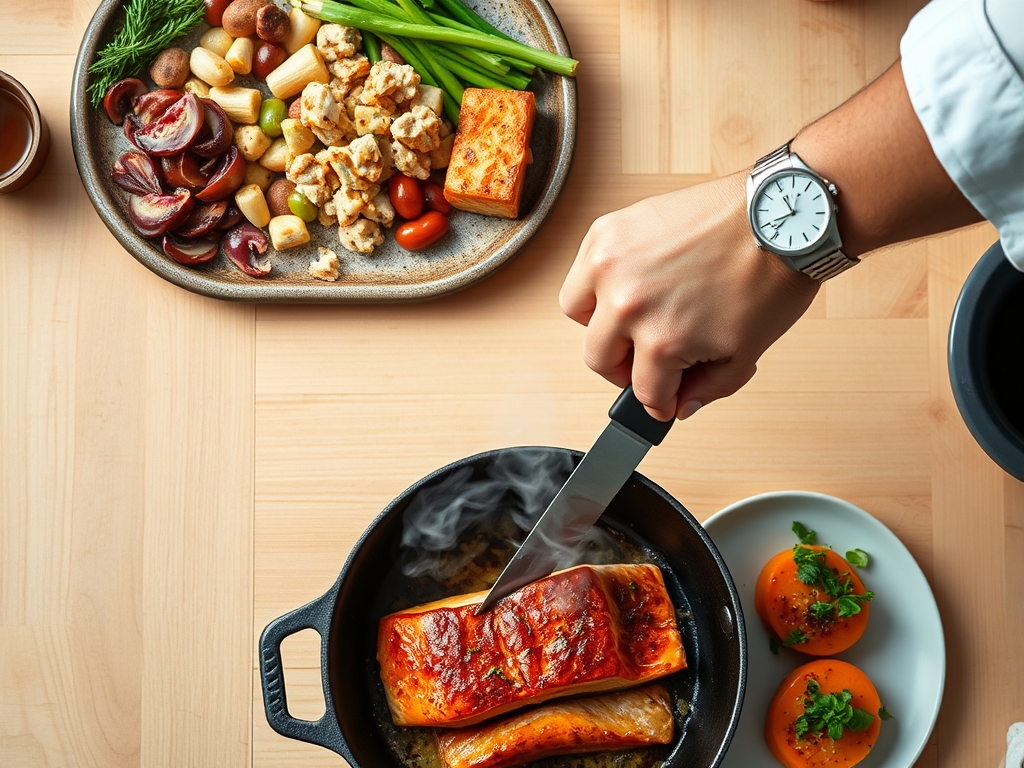
Heat your dutch oven over medium-high heat until a drop of water dances and evaporates instantly. Add your oil and place the salmon skin-side down. Use tongs to press the fillets firmly against the cast iron for the first 30 seconds to prevent the skin from curling.
Pro Tip: This step utilizes conduction heating. The heavy cast iron retains massive amounts of thermal energy, which quickly renders the fat beneath the skin, creating a natural non-stick barrier and a crunchy texture.
3. Aromatics and Liquid Infusion
Once the skin is crisp, toss in your garlic, herbs, and a splash of dry white wine or vegetable stock. Immediately place the lid on the dutch oven. The liquid will flash into steam, surrounding the salmon in a humid environment that gently poaches the top of the fillet.
Pro Tip: This is a hybrid cooking method. The steam prevents the delicate proteins from tightening too quickly, a process called denaturation, which keeps the fish incredibly moist and tender.
4. The Gentle Finish
Turn off the heat when the salmon reaches an internal temperature of 125 degrees Fahrenheit. The heavy walls of the dutch oven will continue to radiate heat, bringing the fish to a perfect 135 degrees during the resting phase.
Pro Tip: This is thermal carryover. If you wait until the fish is "done" to remove it from the heat, the internal temperature will continue to climb, leading to the expulsion of albumin (that white protein goo) and a dry texture.
The Deep Dive
From a nutritional standpoint, these dutch oven salmon recipes are powerhouses. A single 6-ounce serving provides roughly 34 grams of protein and a significant dose of Vitamin B12 and Selenium. For those following a Keto lifestyle, the high fat content is ideal. If you are Vegan, you can apply these same dutch oven techniques to thick "steaks" of cauliflower or lion's mane mushrooms, though the cooking times will increase to allow for caramelization.
Even the best chefs hit snags. If your salmon skin sticks, do not force it with a bench scraper. Usually, the fish will "release" itself once the proteins have fully caramelized. If it still clings, add a tablespoon of butter to the edge of the pan; the fat will seep under and lubricate the surface. If you notice too much albumin (the white stuff) appearing, your heat is too high. Lower the flame immediately and vent the lid to drop the internal pressure.
For meal prep, reheating salmon is a delicate science. To maintain "day-one" quality, avoid the microwave at all costs. Instead, place the leftover fillet in a small saucier with two tablespoons of water or broth. Cover and heat on low for five minutes. This creates a mini-steamer that rehydrates the fish without overcooking it.
The Wrap-Up
Mastering dutch oven salmon recipes is less about following a strict formula and more about understanding the relationship between heat, moisture, and time. When you pull that heavy lid away and the steam carries the scent of lemon and toasted garlic into the room, you will realize why this method is a favorite among culinary stylists. It is efficient, elegant, and nearly impossible to mess up once you respect the science of the sear. So, grab your favorite pot, put on some music, and turn your kitchen into the coziest sanctuary in town.
The Kitchen Table
Can I use frozen salmon for these recipes?
Yes, but you must thaw it completely in the refrigerator first. Pat the skin exceptionally dry to ensure you can still achieve a crisp sear. Frozen fish often contains more surface moisture, which can impede the Maillard reaction.
What is the best way to clean my dutch oven after fish?
Deglaze the warm pot with water or vinegar immediately after plating. For stubborn bits, use a paste of baking soda and water. The alkaline nature of baking soda neutralizes acidic fish odors and lifts carbonized proteins without damaging the enamel.
How do I know the salmon is perfectly cooked without a thermometer?
Press the top of the fillet gently with a spoon. If the flakes begin to separate easily along the white fat lines, it is ready. The center should still look slightly translucent, as carryover heat will finish the process.
Can I cook vegetables in the same pot as the salmon?
Absolutely. Hardy vegetables like asparagus, cherry tomatoes, or thinly sliced fennel are perfect. Add them during the searing phase so they can absorb the rendered salmon fat and aromatics, creating a cohesive one-pot meal with deep flavor.